Choosing Between Wood and Composite Decking

November 24, 2026

Stepping onto a brand-new backyard deck transforms warm evenings, weekend cookouts, and quiet morning coffee routines instantly. Picking the right surface material shapes both daily enjoyment and long-term upkeep. Comparing natural timber against modern composite boards with a knowledgeable deck contractor makes creating your ideal outdoor hangout remarkably straightforward and fun.


Comparing Natural Beauty and Modern Style

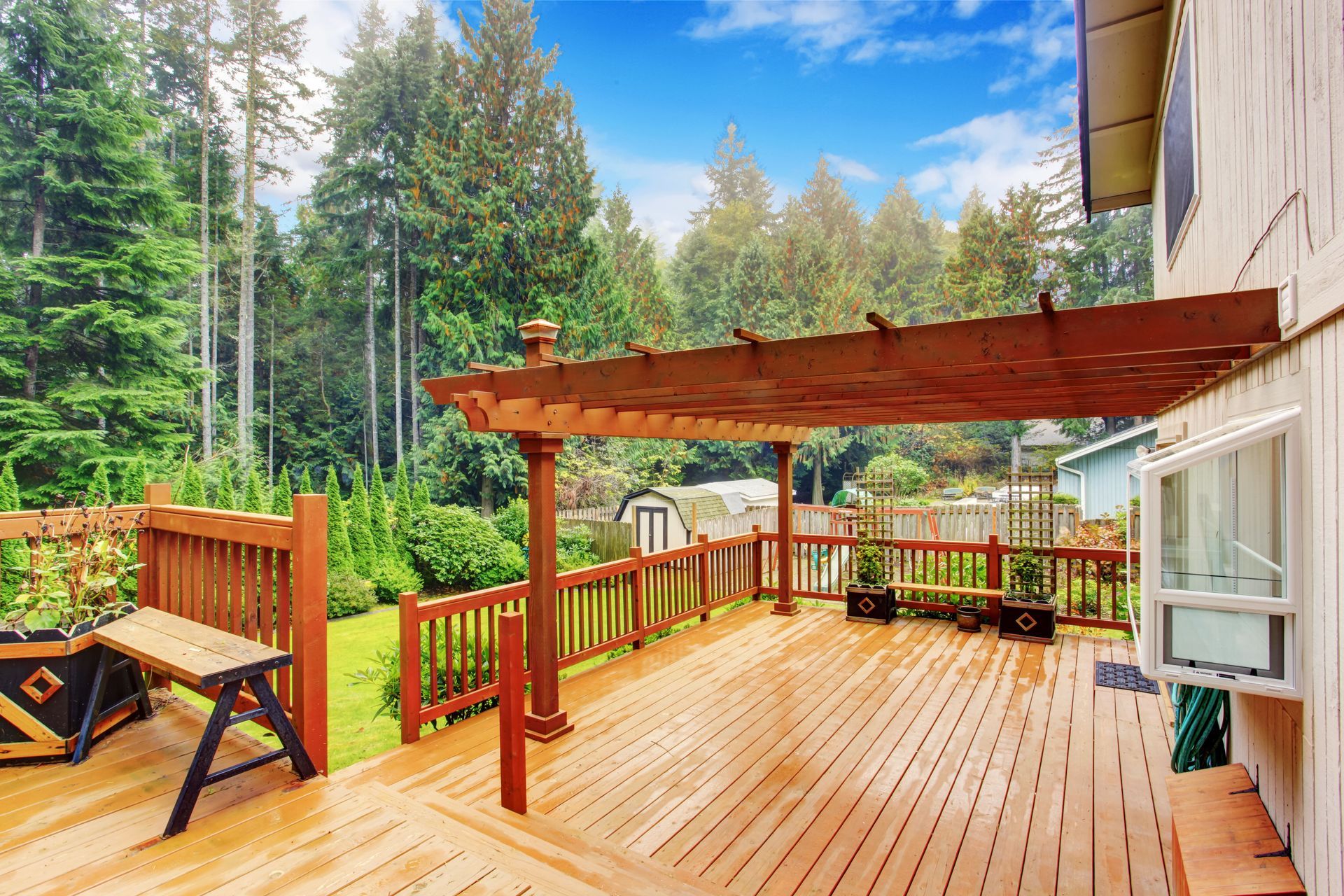
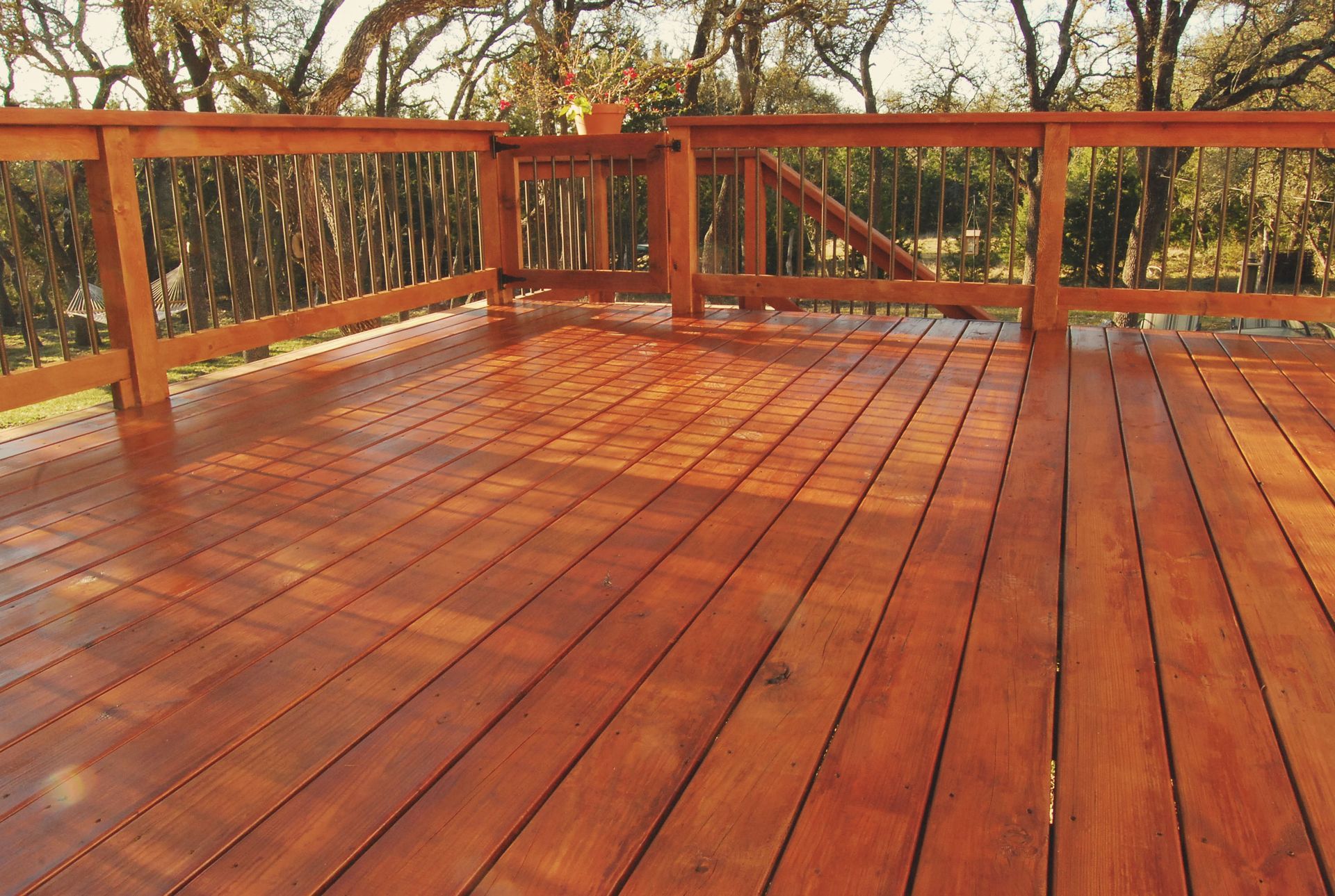
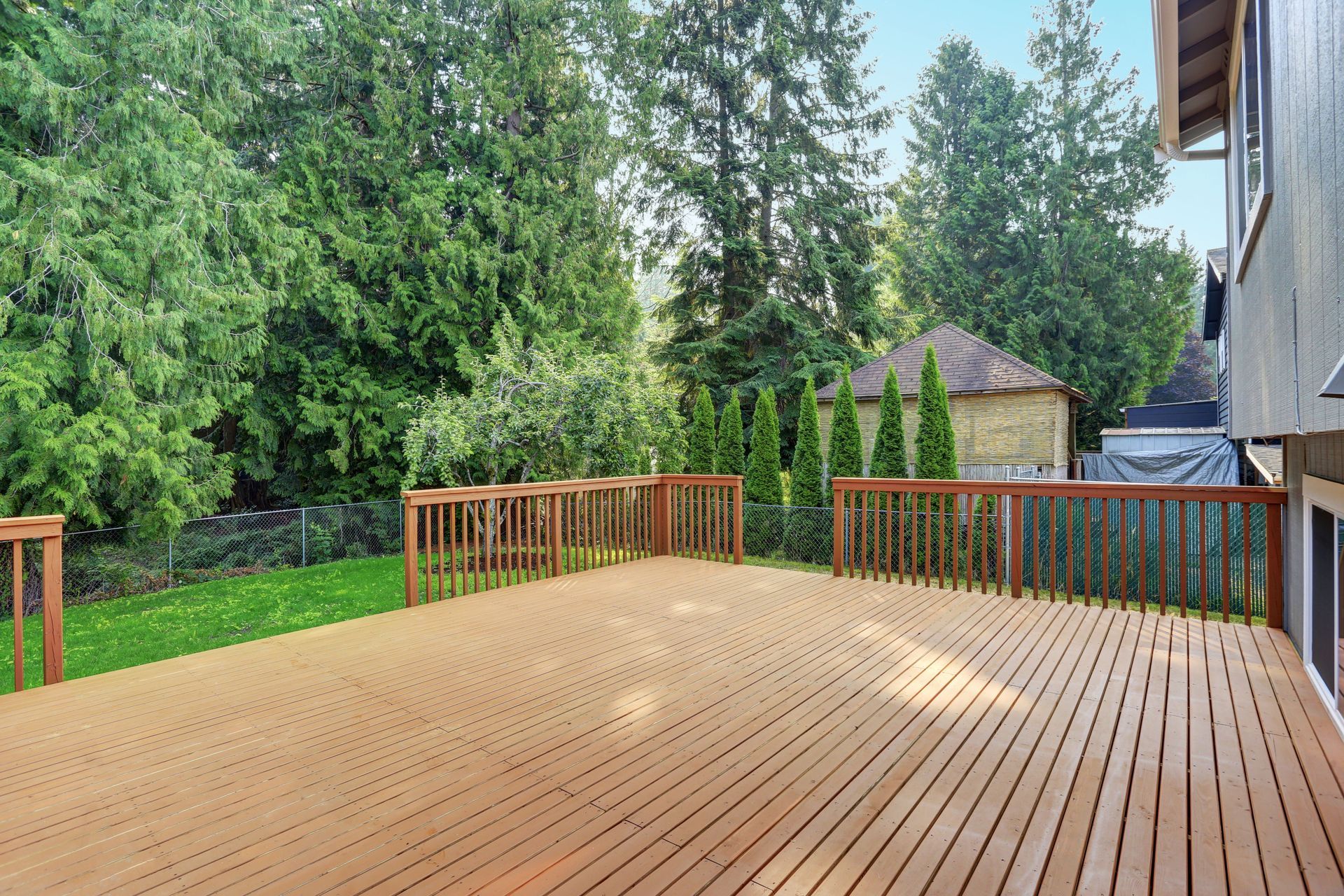
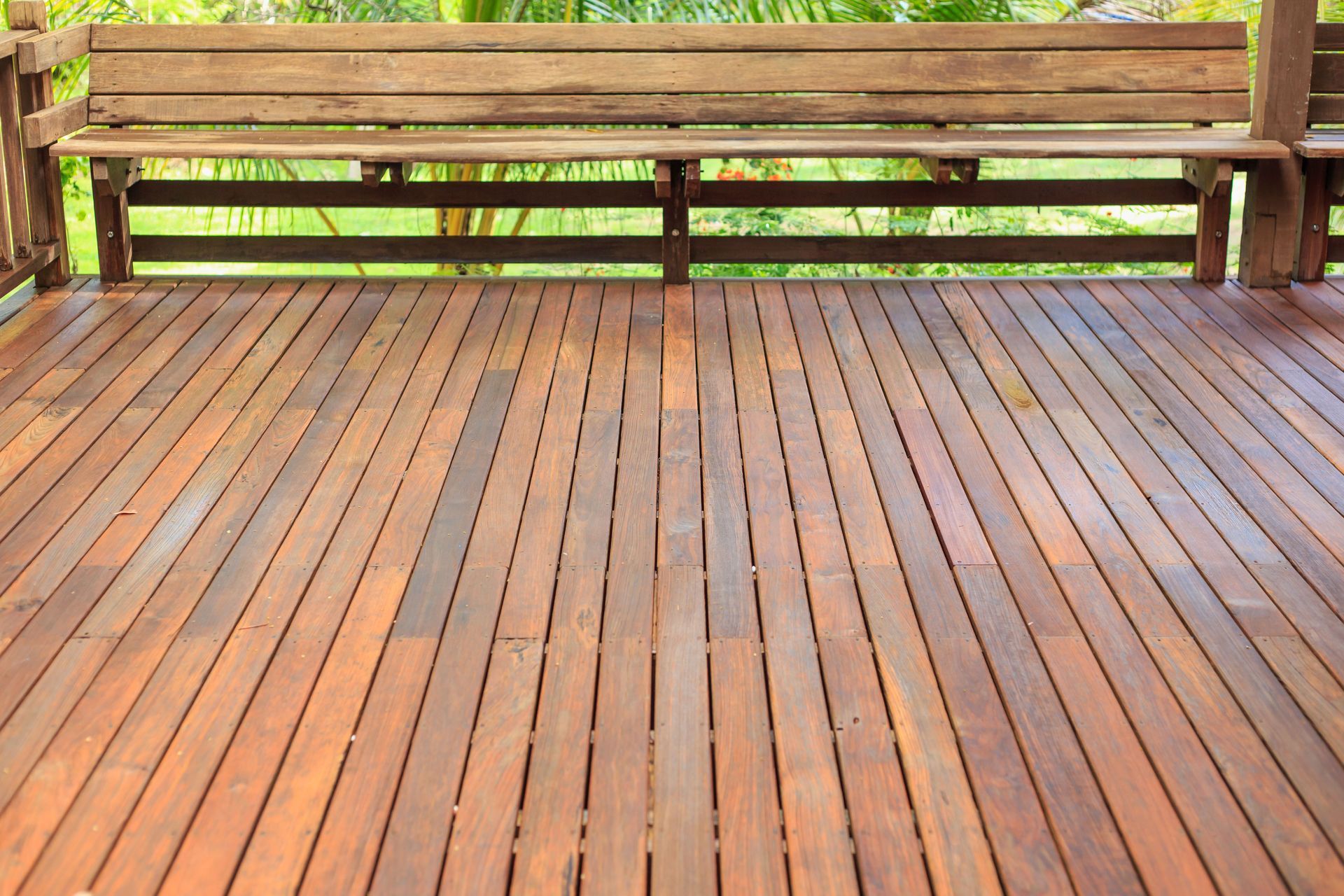
Nothing quite matches the authentic grain patterns, warm knots, and organic fragrance of real cedar, redwood, or pressure-treated pine underfoot. Every single wood board carries its own distinct personality, aging into a soft silvery patina if left natural or glowing richly under a fresh coat of semi-transparent stain. Traditionalists love how real lumber blends seamlessly with shade trees, stone patios, and classic home exteriors without ever looking manufactured. Walking barefoot across warm, freshly sealed timber creates an inviting connection to nature right outside your back door.


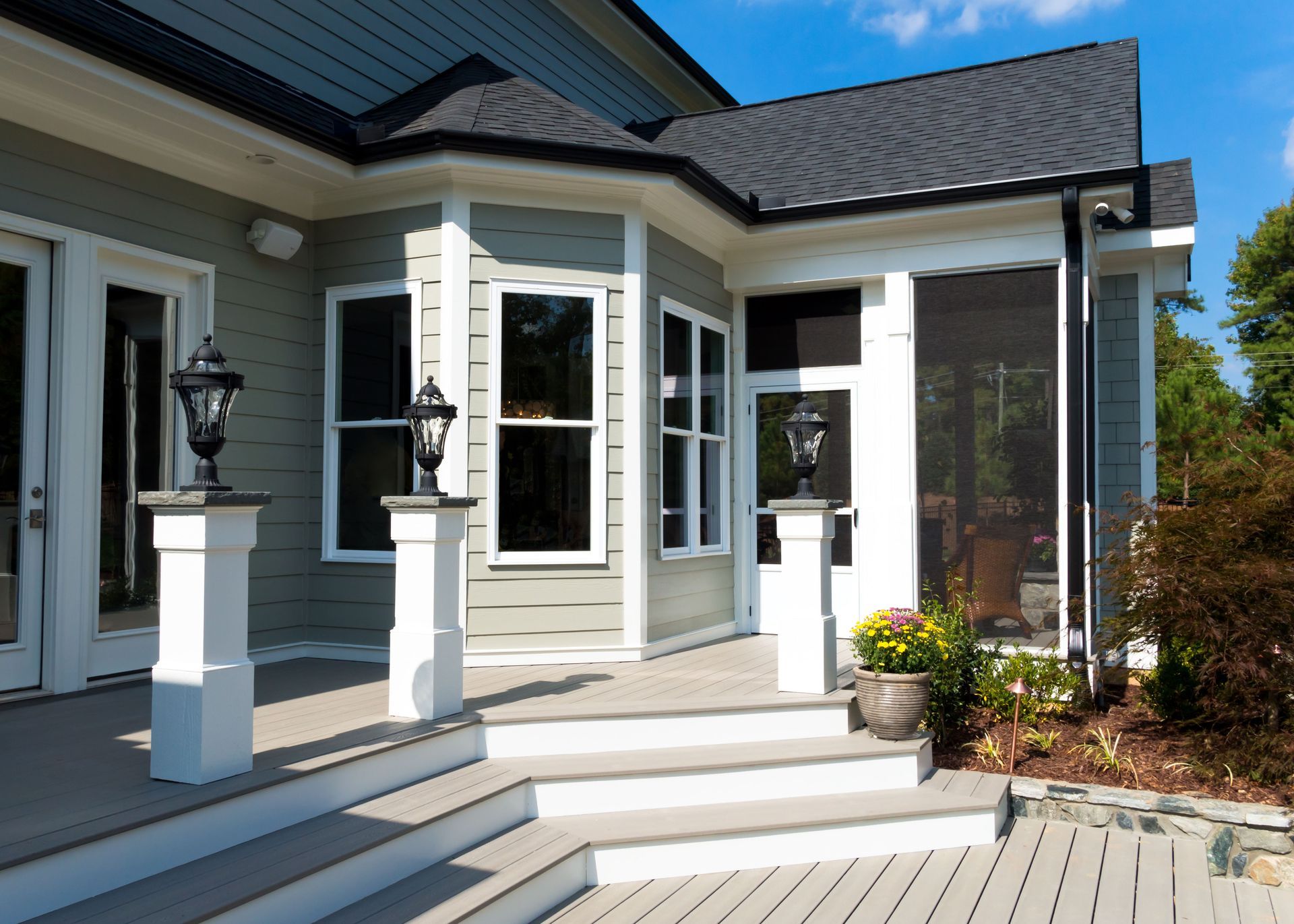
Modern composite decking has come miles away from the shiny, uniform plastic boards people remember from twenty years ago. Today's capped composite planks feature multi-tonal color streaking, deep embossed wood-grain textures, and matte finishes that fool even sharp eyes from a few feet away. Asking an experienced deck contractor to bring physical board samples into your backyard lets you see how both materials look in real sunlight next to your siding and trim.


Color stability also sets these two surfaces apart once summer sunshine beats down day after day. Natural wood gradually weathers and lightens under ultraviolet rays unless refreshed with pigmented stains every couple of years. High-performance composite boards lock their rich espresso, driftwood gray, or warm cedar hues beneath protective outer shells so your patio keeps its showroom shade season after season. Seeing how each option ages helps you pick a look you will love admiring from the kitchen window every morning.


Weighing Annual Maintenance and Weekend Upkeep

Your free time on sunny Saturdays plays a huge role in deciding which material fits your household best. Real wood decks ask for regular care to stay handsome, splinter-free, and protected against rain, snow, and afternoon sun. Sweeping off wet autumn leaves, washing away mildew, and applying fresh sealer or stain every two to three years keeps natural boards healthy and strong. Setting aside a weekend every couple of seasons keeps wooden planks looking rich and prevents moisture from soaking into the grain.


Composite surfaces appeal strongly to busy families who want maximum lounging and minimal chore lists. Because synthetic fibers and polymer caps resist moisture absorption, composite planks never decay, warp, cup, or develop painful splinters under bare feet. A quick rinse with a garden hose and mild soapy water after a muddy spring storm usually handles all the cleaning required for the entire year.


Even with low-maintenance boards, thoughtful structural framing and proper board spacing matter tremendously for airflow and drainage underneath. Partnering with a skilled deck contractor guarantees your substructure, ledger flashing, and hidden fasteners work together properly regardless of which surface you pick. Clean installation keeps both wood and composite surfaces looking sharp without premature sagging or trapped moisture. Proper air circulation below the deck prevents mold buildup and extends the life of every structural joist underneath.


Measuring Upfront Costs Against Long-Term Value

Budget conversations around outdoor living usually balance initial installation dollars against ongoing expenses over the next fifteen to twenty years. Pressure-treated pine generally carries the friendliest starting price tag, making it easier to build a spacious layout or add multi-level stairs right away. Premium hardwoods like cedar or redwood sit in the middle tier, offering natural insect resistance and rich warmth at a moderate step up in cost. Looking closely at material pricing early lets you allocate funds toward lighting, wide steps, or built-in seating without stretching your budget.


Capped composite boards require a larger upfront investment at the start of the build, yet they eliminate recurring spending on cans of stain, sealers, brushes, and replacement boards down the road. Over a decade of ownership, saving hundreds of dollars every couple of years on maintenance supplies narrows that initial price gap considerably. Talking through realistic twenty-year ownership numbers with a seasoned deck contractor helps you invest comfortably where it counts most.


Outdoor additions also rank among the smartest home improvements when boosting everyday enjoyment and resale appeal simultaneously. According to Zonda's 2025 Cost vs. Value Report, a wood deck addition project brings an average ROI of 94.9%. Whether you lean toward classic lumber or modern composite, adding functional outdoor living space strengthens both neighborhood appeal and market value. Buyers consistently gravitate toward homes featuring move-in-ready outdoor gathering areas where they can entertain right away.


Testing Surface Comfort and Everyday Durability

Bare feet, playful dogs, sliding patio chairs, and sizzling summer afternoons put decking surfaces through real-world stress every single week. Natural wood stays noticeably cooler under direct midday July sunshine compared to darker composite boards, making it comfortable for poolside lounging and barefoot kids. Wood fibers also handle dropped metal grilling tools or heavy flowerpots gracefully, taking minor dings that blend naturally into the organic grain. Choosing a surface that handles busy family traffic effortlessly keeps your patio welcoming for guests of every age.


Composite planks shine when resisting scratches from energetic dog claws, scooting dining chairs, and spilled barbecue sauce or red wine. Protective polymer caps wipe clean effortlessly without soaking up grease stains or grease splatters near the grill station. Asking a qualified deck contractor about lighter composite shades and ventilated board profiles helps keep surface temperatures comfortable even on scorching August afternoons.


Traction during rainy spring mornings or frosty winter steps is another practical detail worth checking before finalizing your material choice. Textured wood grains offer reliable grip right out of the gate, while newer composite lines feature subtle micro-grooving engineered specifically to stay slip-resistant when wet. Both options deliver safe, dependable footing when paired with proper stair lighting and sturdy railings. Feeling confident on every step makes year-round backyard access safe for kids, grandparents, and pets alike.


Planning Custom Features and Design Flexibility

Dreaming up curved borders, built-in perimeter benches, planter boxes, or multi-tiered entertaining zones opens exciting design possibilities for your backyard. Natural lumber cuts, sands, and shapes effortlessly on site, letting carpenters craft custom pergolas, intricate railing balusters, and tailored trim details that match older architecture beautifully. Wood also accepts fresh paint or stain colors later on if you ever repaint your house exterior.


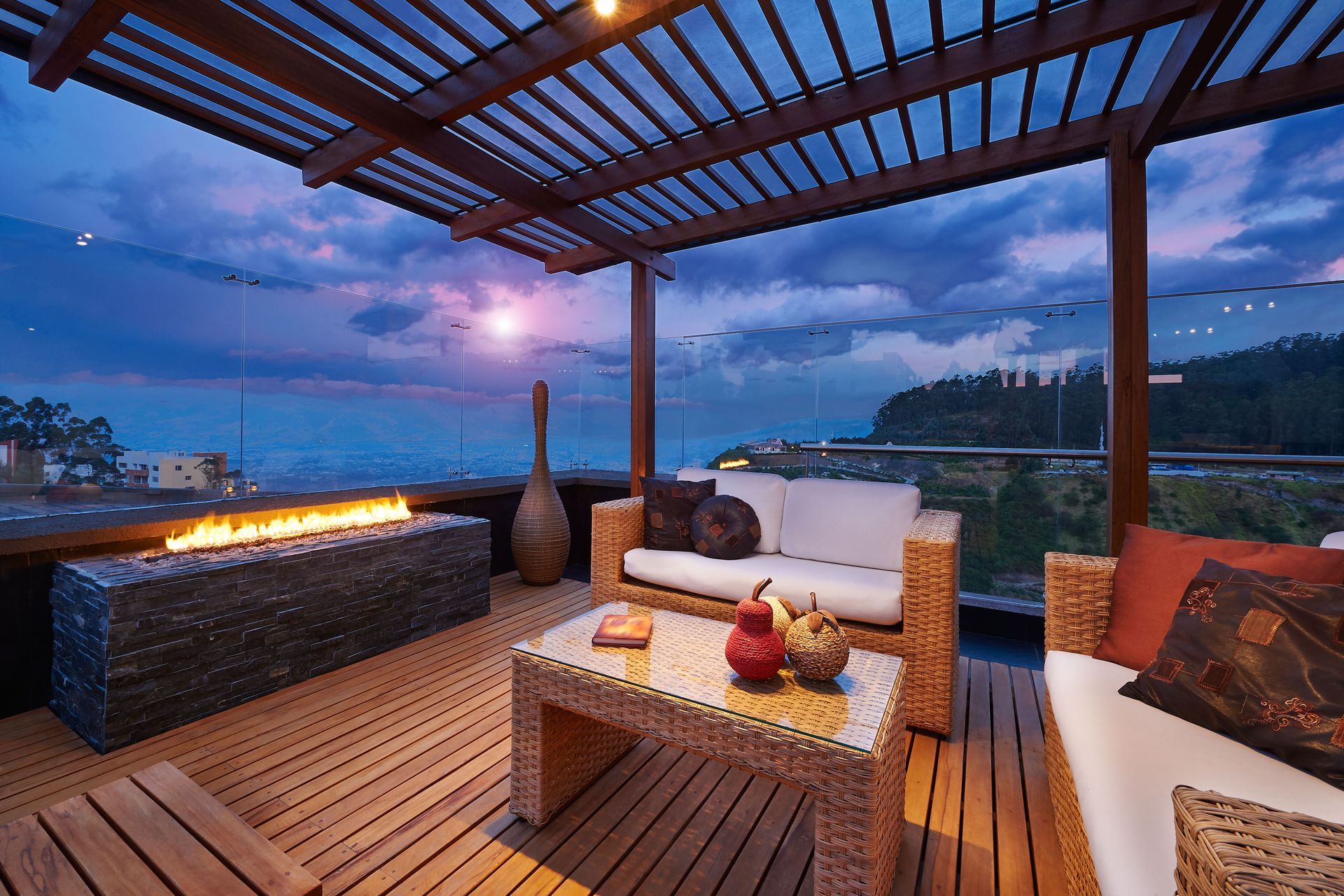
Modern composite systems come equipped with sleek matching fascia boards, concealed clip fasteners, and coordinated aluminum or composite railing kits that create crisp, screw-free surfaces. Heating specialized composite boards allows skilled builders to bend smooth, sweeping curves around fire pits or round above-ground pools without ugly seams. Collaborating with a creative deck contractor brings together custom framing, integrated low-voltage post lighting, and seamless transitions from your back door to the lawn.


Choosing between wood and composite ultimately comes down to how you want to spend your weekends, your upfront budget, and the architectural style you love most. Your contractor can help you turn those choices into a sturdy, welcoming outdoor sanctuary built for years of memorable gatherings. Investing thoughtful care into your surface selection rewards your household with countless sunny afternoons and starry evenings outdoors.


Choosing between wood and composite decking balances natural charm, upfront budget, and weekend maintenance preferences. Wood delivers timeless warmth and cooler barefoot comfort, while composite offers effortless upkeep and lasting color. Contact Barefoot Decks LLC to work with a skilled deck contractor to create a durable, welcoming backyard retreat tailored perfectly to your lifestyle.
deck service company
November 13, 2026
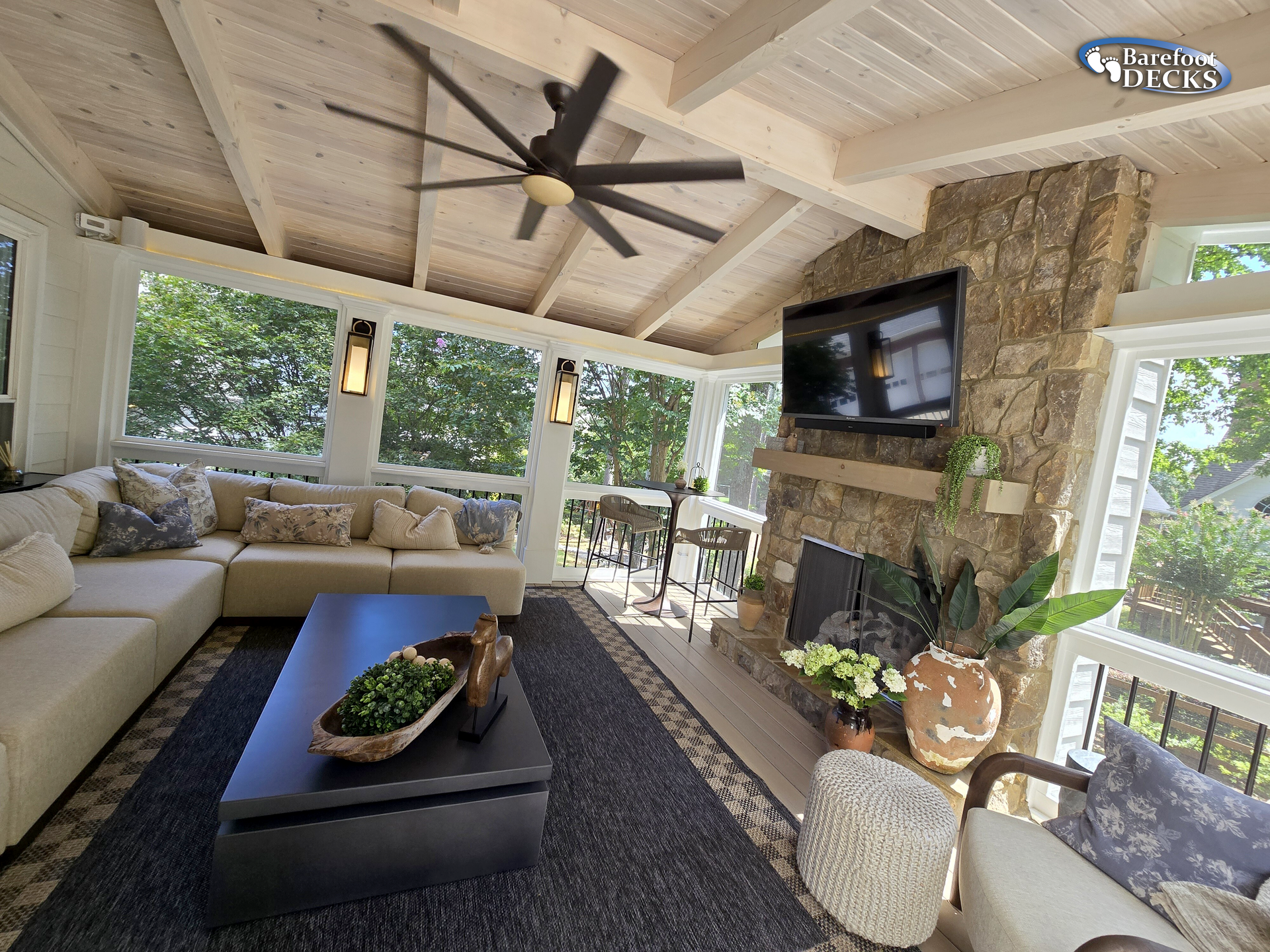
Expand your living space and enjoy the outdoors bug-free. Learn how a deck service company builds custom screened porches that add comfort and value.
deck renovations
November 11, 2026
Upgrade your outdoor living space safely. Learn the warning signs of rot and wear, and discover how deck renovations restore structural stability and style.
November 10, 2026
A deck can transform your backyard into a comfortable space for entertaining, relaxing, and spending time with family. However, years of exposure to moisture, sunlight, and changing temperatures can affect its appearance and structural integrity. When problems develop, homeowners often face an important decision: renovate their existing deck or invest in a complete rebuild. At Barefoot Decks LLC, we understand that every outdoor living space has unique needs. As experienced deck building contractors, we help homeowners evaluate their decks and determine which improvements will provide lasting safety, functionality, and value. Evaluating Your Deck's Current Condition Before deciding whether to renovate or rebuild, it is important to understand the condition of your existing structure. A professional evaluation can identify problems that may not be immediately visible. Assessing Structural Stability A deck's support system determines whether renovation is practical. Posts, beams, joists, and connections must remain structurally sound to support everyday use. According to Fine Homebuilding, posts supporting decks 2 ft. or higher off the ground need to be braced laterally. Proper bracing helps resist sideways movement and contributes to structural stability. Our team evaluates these components to determine whether reinforcement, targeted repairs, or complete replacement is necessary. Identifying Wood Deterioration Prolonged moisture exposure can cause rot, weakening deck boards and structural supports. Visible discoloration, soft wood, excessive splintering, and deteriorating connections may indicate problems requiring professional attention. While isolated damage may be addressed through renovation, widespread deterioration can make rebuilding the safer investment. Examining Surface Damage Deck boards naturally experience wear from foot traffic, weather exposure, and everyday use. Cracking, warping, and fading can reduce comfort and visual appeal. If the underlying structure remains sound, replacing damaged boards or upgrading surface materials may improve the deck without complete reconstruction. Professional deck building contractors can distinguish cosmetic concerns from structural problems, helping homeowners avoid unnecessary replacements while addressing safety risks. Comparing Renovation and Rebuilding Costs Budget is often a deciding factor when choosing between renovation and rebuilding. However, the lowest initial expense does not always provide the greatest long-term value. Comparing Material Expenses Renovation generally requires fewer materials because portions of the existing structure remain intact. Homeowners may only need new decking boards, railings, stairs, or selected support components. A complete rebuild involves replacing the existing structure with new materials. Although this increases initial expenses, it allows homeowners to choose updated decking products. At Barefoot Decks LLC, we help customers explore material options that balance appearance, durability, maintenance requirements, and budget. Comparing Labor Requirements Labor expenses depend on project complexity, accessibility, and the amount of construction required. A renovation involving limited surface replacement may require less labor than a complete rebuild. However, hidden deterioration or extensive structural modifications can increase costs. Experienced deck building contractors evaluate these factors before recommending a project scope, helping establish realistic expectations regarding construction and scheduling. Comparing Long-Term Value Homeowners should consider more than immediate installation expenses. An older deck may require additional repairs even after cosmetic improvements. Rebuilding can provide a new structural foundation and materials designed for improved durability and reduced maintenance. When the existing framework remains dependable, renovation may extend the deck's useful life without complete replacement. Understanding Building Codes and Safety Requirements Deck construction involves important safety standards that influence both renovation and rebuilding decisions. Reviewing Permit Requirements Permit requirements vary according to local regulations and project scope. Structural alterations, significant expansions, and complete rebuilds may require approval from the appropriate building department. Even smaller renovation projects must follow applicable construction standards. Working with knowledgeable deck building contractors helps homeowners understand permitting considerations before construction begins. Reviewing Structural Requirements Deck safety depends on proper support, secure connections, suitable materials, and appropriate installation methods. Older decks may contain components that no longer satisfy current requirements. Our team considers whether existing structural elements can safely remain or should be replaced. Railings, stairs, footings, and attachment points also deserve attention because they affect everyday usability and safety. Reviewing Property Restrictions Property boundaries, setbacks, and homeowner association guidelines can influence deck construction. A complete rebuild may provide opportunities to modify the deck's footprint, but changes must comply with applicable restrictions. We encourage homeowners to address these considerations during planning so design decisions align with property requirements. Considering Design and Lifestyle Improvements A deck should complement your home while supporting the activities you enjoy. Renovation and rebuilding offer different opportunities for improving outdoor living spaces. Improving Existing Features Renovation can refresh an outdated deck without dramatically changing its original layout. New railings, upgraded decking materials, and improved stairs can enhance appearance and functionality. These improvements may appeal to homeowners who appreciate their deck's existing configuration. Our team helps identify upgrades that complement the structure while creating a more attractive outdoor environment. Expanding Outdoor Functionality Sometimes an existing deck no longer meets a household's needs. Homeowners may want additional seating, entertaining space, or a different arrangement for outdoor furniture. A complete rebuild provides flexibility for changing dimensions, improving access, or incorporating new design features. Professional deck building contractors can develop plans that account for intended use, available space, and structural requirements. Selecting Updated Materials Material selection influences a deck's appearance, maintenance needs, and long-term performance. Traditional wood offers a natural appearance, while composite decking provides an alternative that generally requires less routine refinishing. Each material has advantages and limitations, including differences in cost, heat retention, appearance, and maintenance. At Barefoot Decks LLC, we help homeowners choose materials suited to their preferences and outdoor environment. Considering Environmental and Maintenance Factors Renovation and rebuilding can both support responsible material use when projects are thoughtfully planned. Reducing Construction Waste Renovation may reduce waste by preserving structural components that remain safe and functional. Instead of replacing an entire deck, homeowners may update selected areas while retaining dependable materials. However, preserving deteriorated components simply to reduce waste can compromise safety. Structural suitability must remain the priority. Choosing Durable Materials Durable materials can help reduce future repairs and replacements. Depending on project requirements, options may include pressure-treated lumber, naturally resistant wood, or composite products containing recycled materials. Our deck building contractors help homeowners compare products based on expected performance, maintenance needs, and project goals. Planning Future Maintenance Every deck requires ongoing care. Wood surfaces may need periodic cleaning and refinishing, while composite materials have different maintenance requirements. Professional construction, appropriate drainage, and properly installed components contribute to long-term durability. Whether renovating or rebuilding, homeowners benefit from understanding how their selected materials should be maintained. Working With Professional Deck Builders Choosing the right construction partner is an important part of achieving dependable results. Receiving a Professional Assessment An experienced contractor can identify structural concerns, evaluate renovation possibilities, and explain when rebuilding may be more appropriate. This assessment helps homeowners understand their investment before committing to major improvements. At Barefoot Decks LLC, we prioritize clear communication and practical recommendations based on each project's requirements. Developing a Construction Plan Once the project scope is established, planning helps coordinate materials, design details, scheduling, and construction. Professional deck building contractors also consider how proposed improvements integrate with the home's architecture and surrounding outdoor space. A detailed plan helps minimize complications and keeps the finished project aligned with homeowner expectations. Choosing the Right Investment Deciding between renovation and rebuilding depends on structural condition, available budget, desired features, and long-term goals. Renovation may be appropriate when the existing framework remains safe and only selected components require improvements. Rebuilding may be preferable when extensive deterioration, outdated construction, or major design changes make preservation impractical. At Barefoot Decks LLC, we believe homeowners deserve outdoor spaces that combine dependable construction with thoughtful design. If your deck is showing signs of wear or no longer meets your needs, our deck building contractors can help you explore renovation and rebuilding options. Contact us to discuss your project and discover how we can help create an outdoor living space you will enjoy for years to come.
screen porches
October 30, 2026
Say goodbye to bugs and awkward slopes. Explore how multi-tier screen porches combine smart drainage, durable framing, and airy views for outdoor living.
deck builders
October 9, 2026
Do you have questions for deck builders? Read this blog to learn how to design a multi-level deck on uneven terrain with professional help.
deck services
October 8, 2026
Compare composite vs. pressure-treated wood to find the best long-term value for your home. Transform your outdoor space with expert deck services today.
deck renovations
September 5, 2026
Learn the structural warning signs that may indicate deck renovations are needed, from loose boards and railings to rot, sagging, and unstable supports.
screen porch
August 26, 2026
Connecting with nature is a cherished pastime, but pesky insects can spoil it. Here's why a screen porch is the perfect solution for enjoying nature bug-free.
deck companies
August 17, 2026
Learn some of the main factors deck companies consider when creating a project timeline, from the first evaluation through the final stages of construction.
deck inspection
July 29, 2026
A professional deck inspection helps identify hidden structural hazards, ledger board damage, and wood rot to ensure your outdoor space remains safe.