
Taming Sloped Backyards: How to Design a Multi-Level Deck on Uneven Terrain
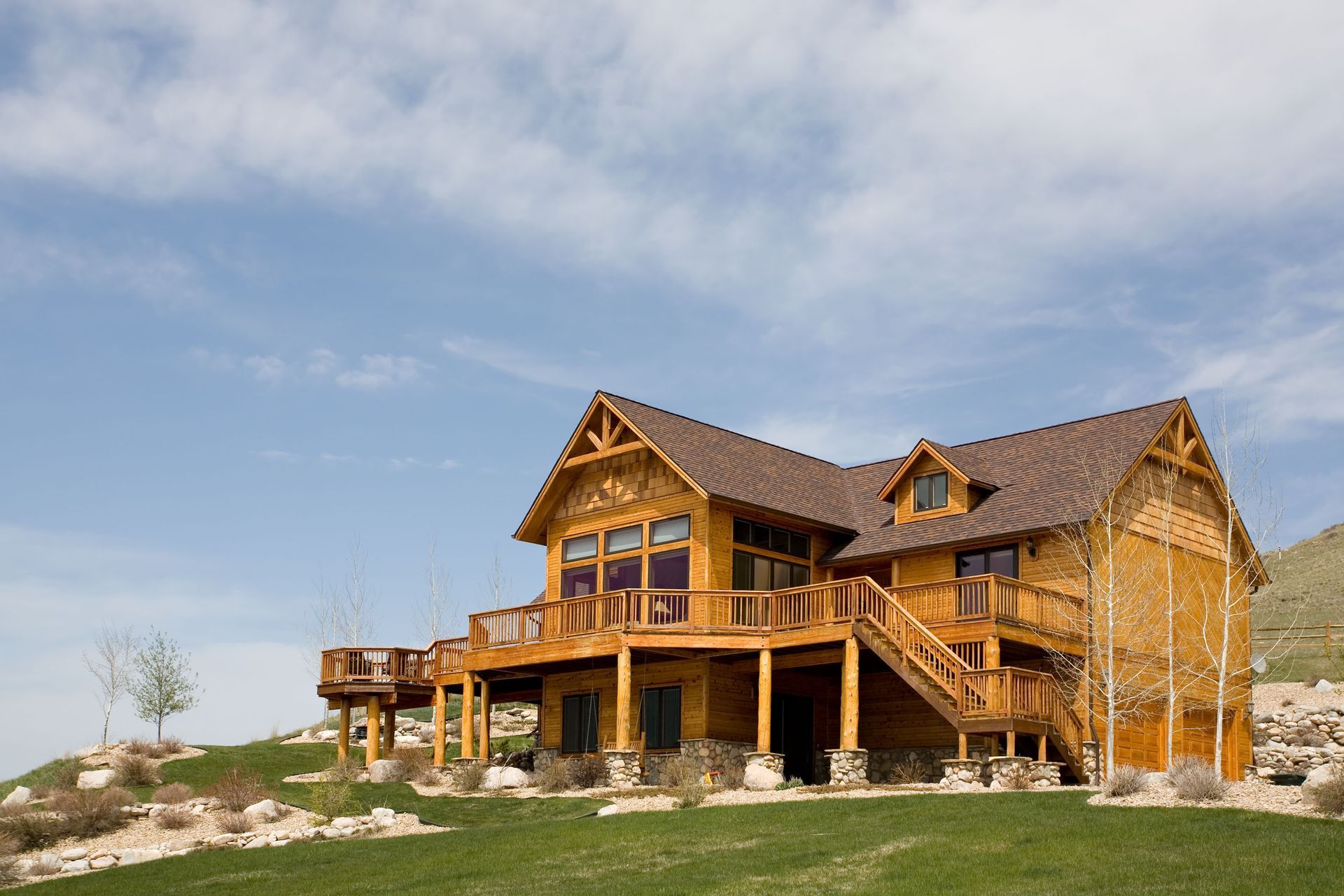
Discovering the art of transforming challenging sloped backyards into functional and stylish outdoor spaces is a rewarding endeavor. Uneven terrain poses unique challenges, but with the right design strategies, a multi-level deck can enhance both usability and aesthetic appeal. By understanding the intricacies of the landscape and employing thoughtful design techniques, homeowners can maximize their outdoor living areas. Multi-level decks offer versatility, creating distinct zones for various activities while integrating naturally with the environment. As home improvement projects continue to surge, the demand for skilled design from deck builders in decking is also growing, paving the way for innovative solutions that blend utility with beauty.
Assessing the Terrain
Understanding the Slope
The first step in designing a multi-level deck with deck builders for a sloped backyard is to thoroughly understand the slope. This involves mapping out the contour lines of your property and identifying areas with the steepest gradients. A detailed survey will determine the natural grade, helping to pinpoint potential challenges and opportunities. By having a clear understanding of the topography, you can plan a design that takes advantage of the unique features the slope offers. This foundational knowledge allows for smart adjustments and innovative ideas, ensuring the final design is both functional and visually appealing.
Identifying Soil Type and Stability
Soil type and stability play a critical role in the planning of any outdoor structure, especially on sloped terrain. Testing the soil will confirm its composition, revealing whether it's clay, sandy, loamy, or rocky. Each type has its implications for drainage, erosion, and load-bearing capacity. Poor soil stability may require reinforcement strategies, such as retaining walls or piers, to ensure your deck remains safe and durable. Understanding these elements early in the design process allows for necessary adjustments and helps prevent future structural issues.
Measuring Elevation Changes
Measuring elevation changes within your sloped backyard is crucial for effective deck design. This involves calculating the vertical distance between various points on the slope to determine the necessary adjustments for the deck's levels. With this information, you can design a deck that comfortably steps down the slope, creating multiple platforms that connect seamlessly. Accurate elevation measurements ensure that the decking accommodates the natural terrain without excessive grading or earth moving. This careful planning respects the landscape and reduces construction impacts on the environment.
Understanding Environmental Factors and Drainage
A successful deck design on sloped terrain must consider environmental factors like drainage, sun exposure, and wind patterns. Proper drainage is essential to avoid water pooling around the deck, which can lead to structural damage and unsafe conditions. Designing with these factors in mind ensures that water flows away from the deck efficiently, protecting both the deck and the surrounding landscapes. It is equally important to consider how much sun and wind each section of the deck will receive, influencing material choices, orientation, and design adjustments for comfort. By integrating these environmental considerations, the deck can become a sustainable and resilient addition to your home.
Conceptualizing a Multi-Level Deck Design
Defining the Purpose and Functionality
When conceptualizing a multi-level deck design with deck builders, defining its purpose and functionality is paramount. Establishing the primary use of the deck helps guide design decisions and ensures that the space meets your lifestyle needs. Whether you envision a space for family gatherings, outdoor dining, or a tranquil retreat, clarity about its purpose allows for targeted design features. Functionality should align with regular usage patterns, ensuring ease of access, circulation, and connectivity between different levels. A well-defined purpose ultimately enhances the deck's value as an extension of indoor living space.
Exploring Design Styles and Aesthetics
Exploring various design styles and aesthetics is an exciting aspect of planning a multi-level deck. The visual appeal of your outdoor space can reflect personal taste while blending harmoniously with the architectural elements of the home and surrounding landscape. Popular styles range from modern minimalism to rustic charm or traditional elegance, each offering unique design elements. Harmonizing the deck with existing structures and natural features contributes to a cohesive and inviting atmosphere. By thoughtfully selecting styles and aesthetics, the deck becomes a proud component of your overall property.
Balancing Privacy and Views
Achieving a balance between privacy and views is crucial in the design of a multi-level deck. Thoughtful placement and orientation of the deck can highlight picturesque vistas while ensuring privacy from neighboring properties. Incorporating features such as privacy screens or strategic plantings can help shield certain areas without obstructing scenic outlooks. Designing with these considerations allows for uninterrupted enjoyment of surrounding beauty, enhancing the deck's appeal. This balance ensures a personal sanctuary, connecting homeowners more intimately with their outdoor spaces.
Creating Zones for Entertainment and Relaxation
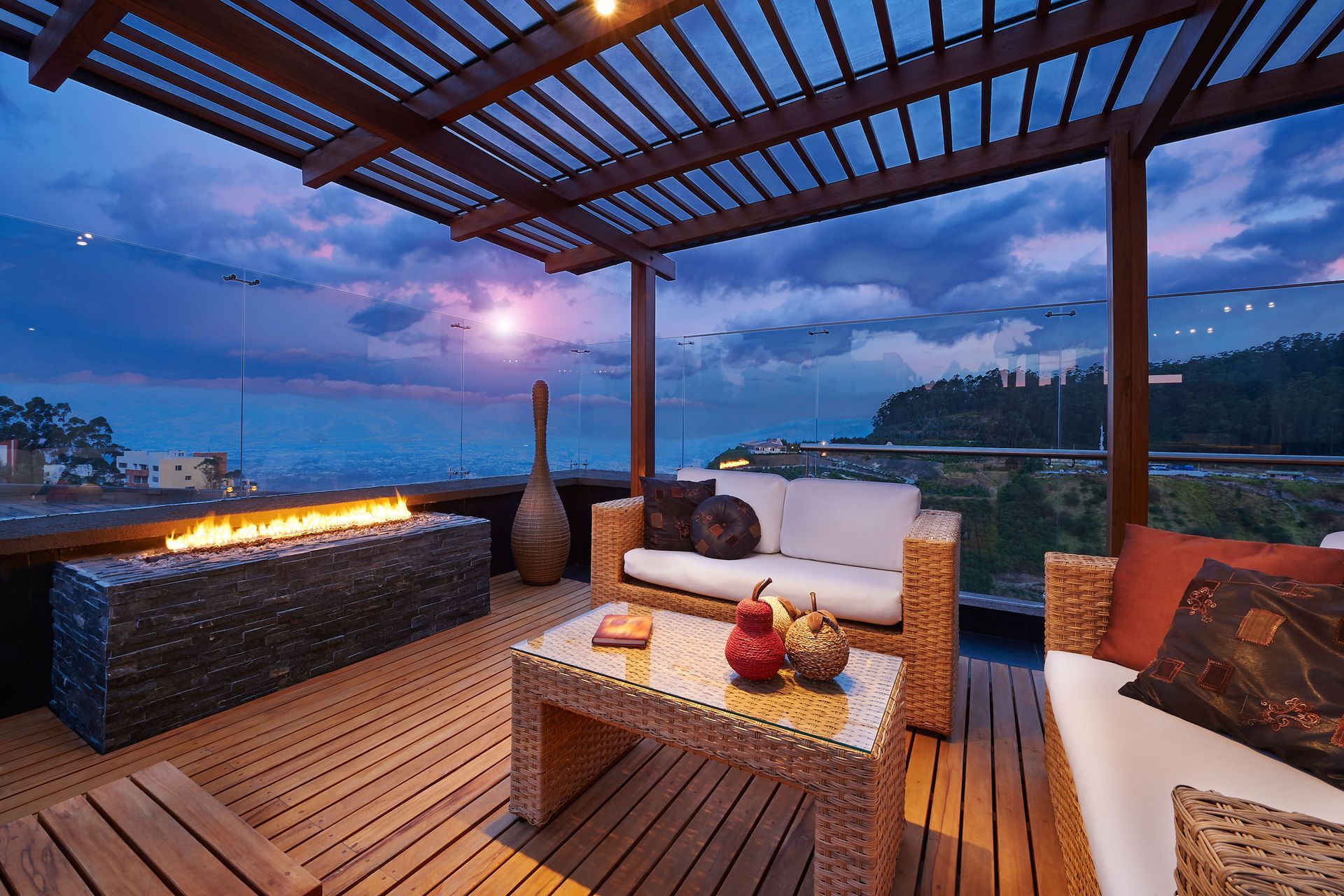
A well-designed multi-level deck adeptly creates zones designated for entertainment and relaxation. Thoughtful spatial planning divides areas for active engagement, such as cooking or dining, from tranquil spaces meant for lounging or contemplation. These zones can be differentiated using level changes, furniture arrangements, or design elements like pergolas or canopies. According to Grandview Research, the North America decks market size was valued at USD 4.8 billion in 2025, indicating an increased demand for outdoor living spaces with multifunctional purposes. By creating distinct zones with deck builders, the deck can accommodate diverse activities, offering overall flexibility and maximizing enjoyment for families and guests.
Selecting the Right Materials
Choosing Durable Decking Materials
Selecting durable decking materials from deck builders is essential for longevity and performance, especially in versatile, multi-level applications. Material choices must withstand weather extremes, resist wear and tear, and require minimal maintenance. Popular options such as pressure-treated wood, composite materials, and PVC decking each offer varied benefits and drawbacks. Durable materials with proven track records ensure that the deck remains a lasting investment, withstanding the challenges of a sloped environment. By selecting quality materials, homeowners can enjoy a beautiful and resilient deck for years to come.
Comparing Wood, Composite, and PVC Options
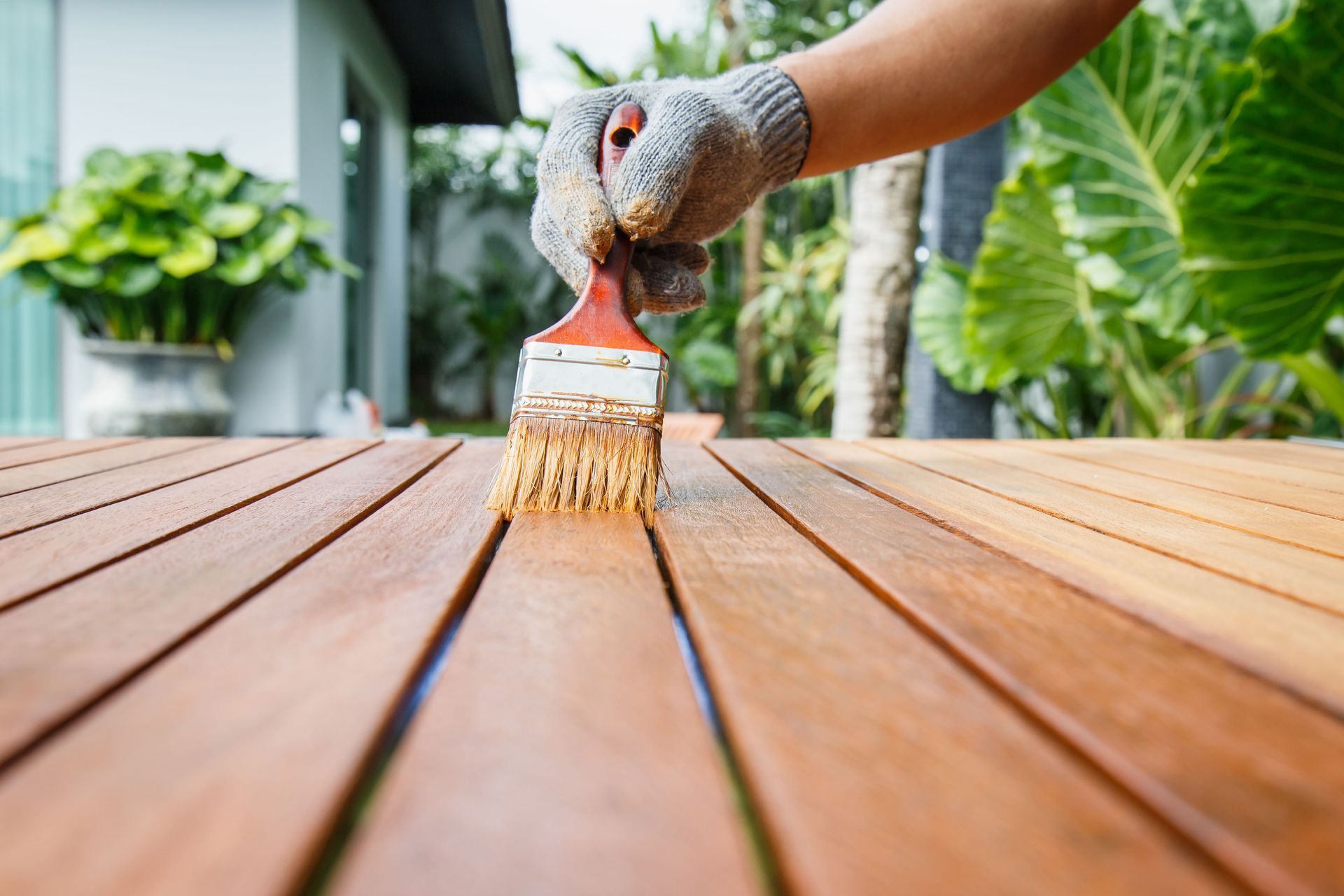
When comparing wood, composite, and PVC options for decking, weighing factors such as cost, appearance, and maintenance will guide your choice. Traditional wood provides a natural look and feel but often requires more upkeep, including staining and sealing to prevent decay. Composite materials, made from a combination of wood fibers and plastics, offer durability with minimal maintenance while providing a wide range of aesthetic options. PVC decks promise the highest resistance to weather and wear, though they may lack the warmth of wood.
Considering Factors Influencing Material Choice
Several factors influence the choice of materials for a multi-level deck on sloped terrain. Considerations such as climate, usage frequency, weight-bearing requirements, and budget impact material selection. Homeowners must also assess how material choices will interact with environmental factors like sun exposure and moisture levels. Balancing these considerations ensures that selected materials meet performance expectations and complement the design vision.
Transforming a sloped backyard into a multi-level deck optimizes challenging terrain into a beautiful, multi-functional outdoor haven. By carefully assessing elevation, choosing durable materials, and budgeting wisely, homeowners can create a seamless extension of their living space. Partnering with professional deck builders ensures structural safety, precise engineering, and a long-lasting investment. If you have any questions or would like more information, please don't hesitate to reach out. Call Barefoot Decks LLC today to get started with our deck builders.
Share On: