
Deck Services: Should You Choose Composite or Pressure-Treated Wood Decks for Long-Term Value?
Building a new outdoor living space is one of the most rewarding home improvement projects a property owner can undertake today. Outdoor spaces have evolved from simple patio additions into full-scale living extensions that boost daily lifestyle quality and real estate valuation. According to USD Analytics, the global decking market is valued at approximately $18.4 billion in 2025 and is projected to grow at a compound annual growth rate of 7.1% to reach $34.1 billion by 2034. This significant expansion demonstrates how homeowners worldwide prioritize high-quality outdoor builds. Investing in a durable platform ensures your backyard remains a comfortable sanctuary for many years.
When planning your project, one of the first major choices involves selecting the right structural and surface materials. Choosing between traditional pressure-treated lumber and modern composite decking impacts your upfront budget and long-term maintenance needs. Professional deck services play a critical role in guiding property owners through this essential decision-making process. Understanding the distinct characteristics, lifespan expectations, and financial profiles of each material ensures your investment aligns with your goals. Evaluating costs and long-term value early helps create an outdoor space that stands the test of time.
Evaluating Upfront Installation Costs and Material Budgets
Initial construction expenses represent the primary decision factor for homeowners embarking on a new project. Pressure-treated wood remains popular largely because of its accessible initial price point per square foot. Local suppliers regularly stock pine and fir, keeping procurement costs manageable for modest budgets. Engaging established deck services allows you to receive estimates that break down material and labor expenses. This upfront affordability makes natural wood an attractive option for immediate installation.
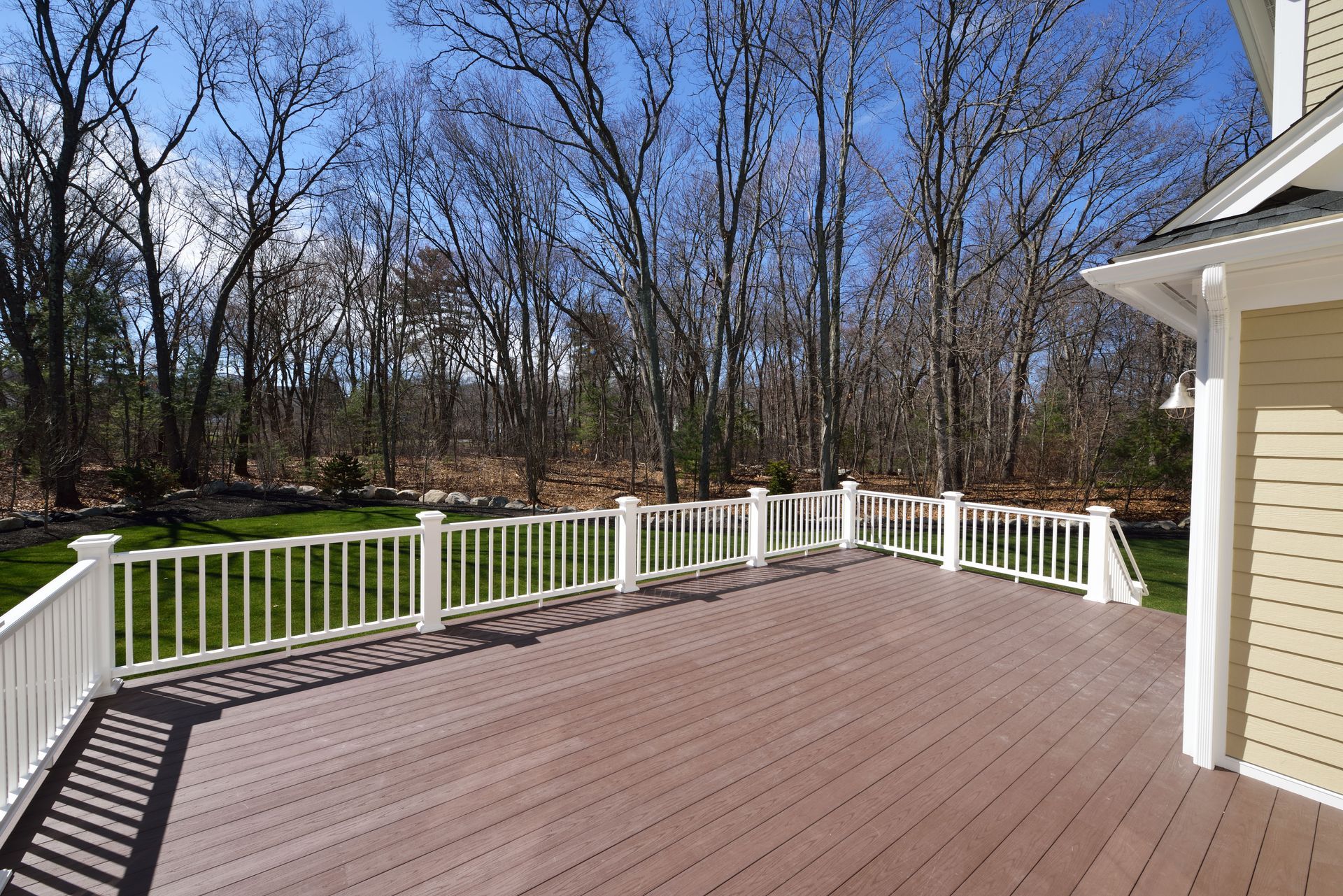
The initial savings of natural lumber stem from its availability and straightforward manufacturing process. Pressure-treated timber is created by forcing chemical preservatives into wood fibers to resist decay and insects. Consequently, property owners can build a spacious deck for a fraction of the price required by synthetics. For tight budgets, this immediate cost benefit often feels like a distinct financial advantage.
Composite materials require a higher initial financial commitment due to advanced engineering and specialized material compositions. Synthetic decking boards are constructed using recycled plastics combined with wood flour, creating a product engineered for resilience. While the initial bill for synthetic boards and hidden fasteners can double material costs, long-term trade-offs require careful study. Evaluating labor installation demands alongside raw material quotes provides a complete picture of total project expenses. Experienced installers ensure every component is fitted correctly to protect your investment.
Analyzing Long-Term Maintenance and Upkeep Requirements
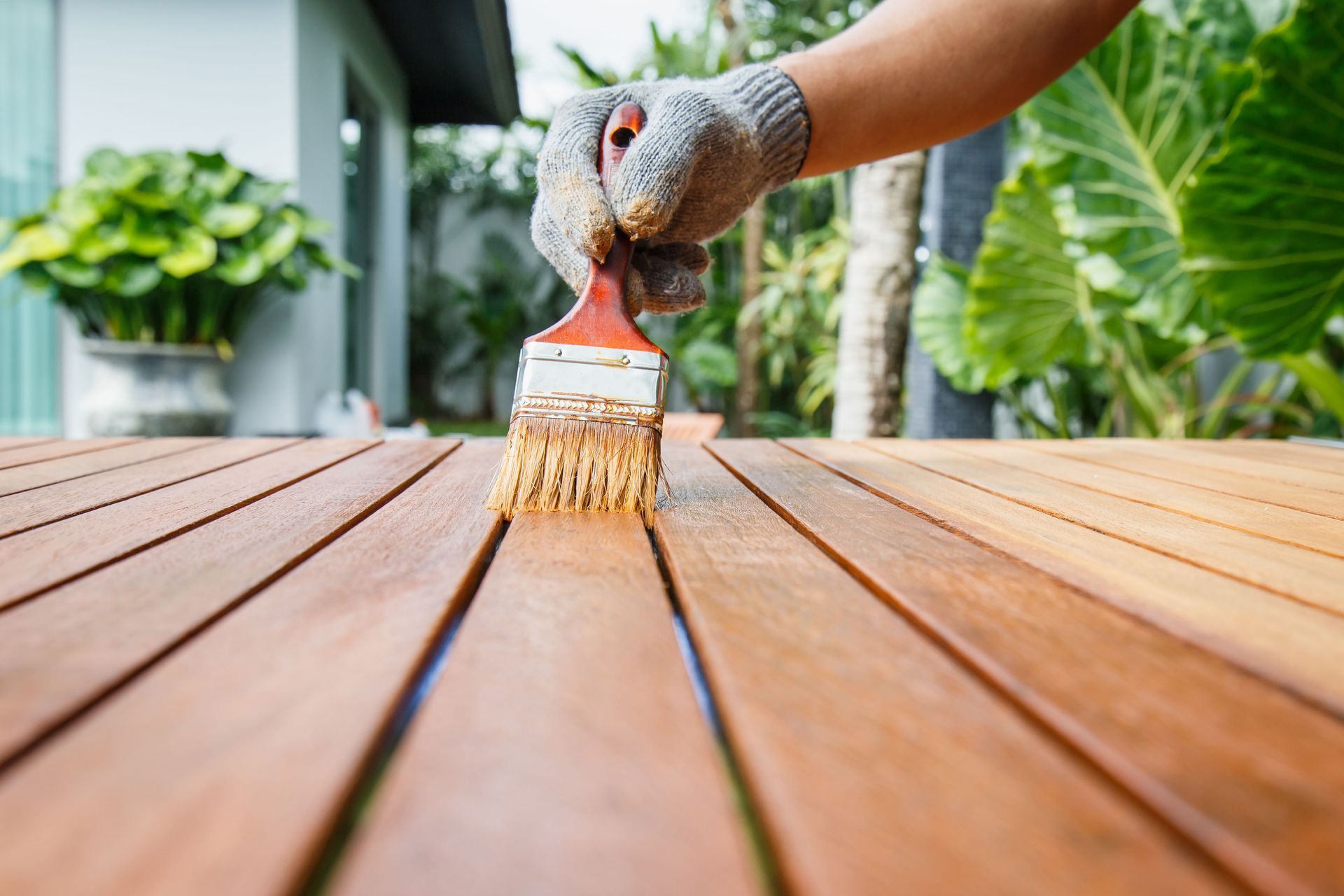
Ongoing upkeep represents a continuous commitment that affects the overall lifecycle cost of your outdoor structure. Pressure-treated wood boards require care to prevent deterioration caused by constant weather exposure. Homeowners must commit to washing, sanding, staining, and sealing their wooden surfaces every two to three years. Relying on skilled deck services simplifies this repetitive maintenance schedule and prevents premature splintering or rot. Over two decades, the cumulative expense of stains, sealants, and labor adds up substantially.
Composite decking boards eliminate almost all traditional ongoing maintenance labor and recurring material costs for homeowners. Synthetic surfaces do not require sanding, staining, painting, or sealing at any point during their operating lifespan. Cleaning a composite deck typically involves nothing more than routine soap-and-water washings to remove outdoor debris. Working with reputable deck services will save homeowners both time and recurring maintenance fees over decades of enjoyment. This low-maintenance profile appeals heavily to busy households seeking outdoor relaxation without endless chores.
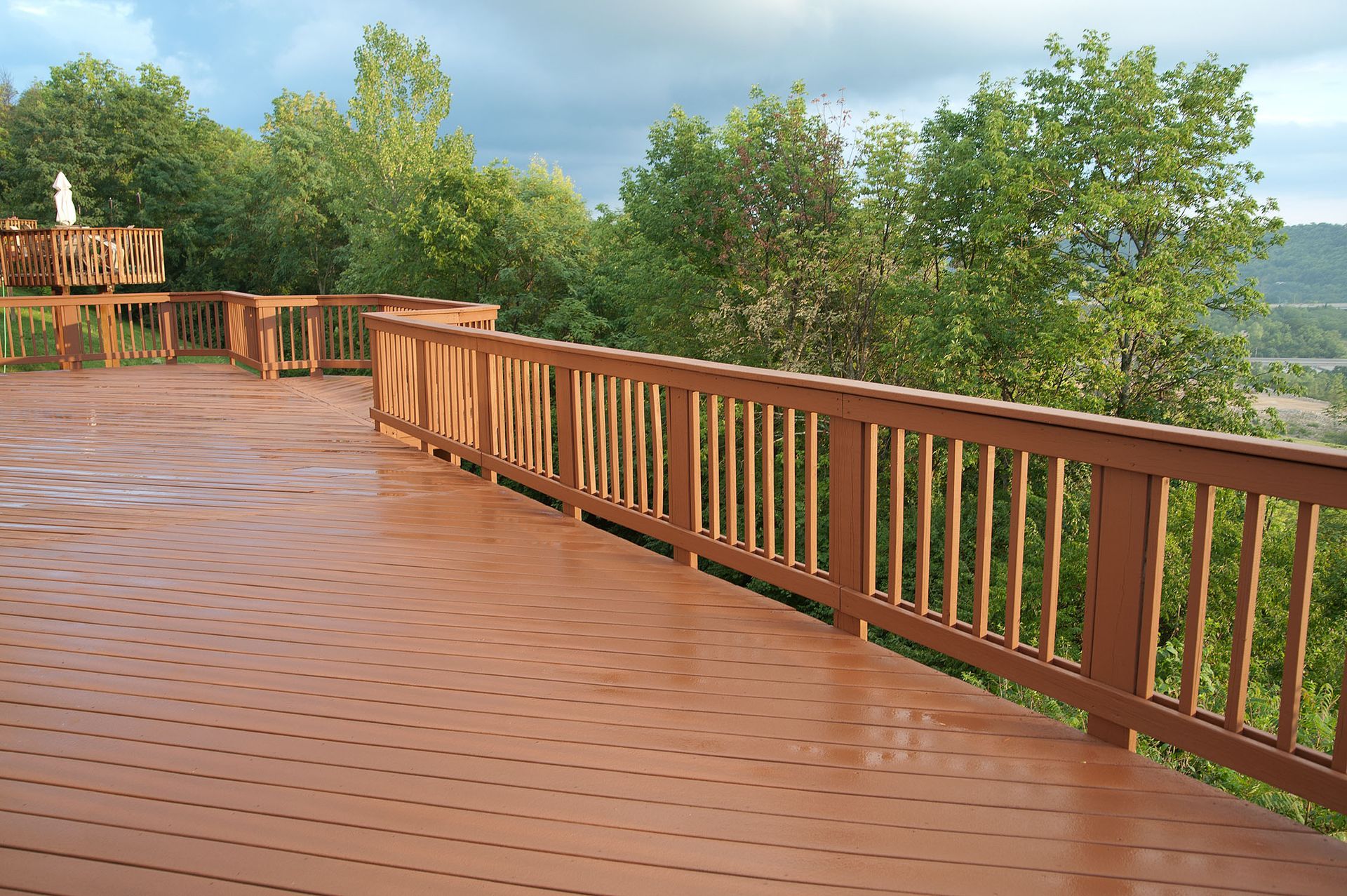
Failing to properly maintain a pressure-treated surface leads rapidly to unsightly cracking, warping, and structural weakness. Moisture penetration causes natural wood fibers to expand and contract, which loosens fasteners and warps individual boards over time. Stains and protective coats act as essential barriers, but these chemical layers naturally break down under intense sun. Synthetic boards resist moisture absorption completely, preventing mold growth and board swelling under humid conditions. Choosing low-maintenance materials avoids unexpected structural repair bills and keeps your outdoor space looking pristine.
Calculating Overall Material Longevity and Structural Durability
Expected operating lifespan is a vital metric when assessing the overall return on your home improvement project. Pressure-treated wood structures generally deliver a useful life ranging from fifteen to twenty years when maintained. However, neglected wooden structures can show severe decay within less than ten years of construction. Hiring high-quality deck services guarantees proper structural framing and ventilation, extending the lifespan of natural wood. Despite diligent care, organic wood fibers eventually succumb to cumulative weather wear.
Composite decking products offer superior longevity, with many top manufacturers issuing multi-decade warranties against fading and staining. High-performance composite boards easily last twenty-five to thirty-five years or more without experiencing significant structural degradation. Protective outer layers encase the inner composite core, offering defense against fading, scratching, and intense ultraviolet radiation. Experienced deck services can inspect existing framing foundations to determine if structural upgrades are needed before installing composite boards. This exceptional physical resilience ensures your deck remains structurally sound through harsh winters and hot summers.
Environmental conditions in your specific region should heavily influence your final material selection decision. Areas subject to high humidity, heavy snowfall, or frequent rain can severely accelerate wood decay and board warping. Modern synthetic boards do not rot, split, or suffer damage from wood-boring insects like termites and carpenter ants. This structural immunity makes composite materials an ideal choice for challenging climates with extreme seasonal weather shifts. Investing in durable components ensures your outdoor living space withstands aggressive environmental elements year after year.
Maximizing Home Resale Value and Total Investment Returns
Home valuation and future resale potential are major considerations for property owners planning structural outdoor improvements. Both natural wood and synthetic additions add functional square footage and curb appeal to residential properties. Prospective home buyers frequently prioritize outdoor living spaces when evaluating property listings in competitive markets. Modern buyers are particularly attracted to move-in-ready features that will not require immediate repair or maintenance. A well-designed outdoor structure serves as a major selling point that distinguishes your house.
Financial return on investment metrics reveal subtle differences between traditional lumber and advanced composite installations. While pressure-treated wood recoups a higher percentage of initial installation costs upon immediate home sale, composite decks offer higher long-term financial yields. Homeowners who remain in their properties for ten years or longer recoup composite material costs through saved maintenance expenses. Customized deck services allow homeowners to design tailored outdoor layouts that maximize both aesthetic appeal and property appraisal figures. Highlighting low-maintenance synthetic builds attracts buyers willing to pay a premium for hassle-free living.
Ultimately, choosing the right material balances immediate project budget constraints with long-term lifestyle and financial goals. Pressure-treated wood provides immediate satisfaction and classic beauty at an accessible entry price for budget-conscious homeowners. Composite decking requires a larger initial outlay but delivers unmatched convenience, long-term durability, and minimal lifetime maintenance costs. Evaluating how long you plan to stay in your current home helps determine which option delivers maximum value. Balancing these practical factors ensures you construct an outdoor venue that fits your budget and lifestyle preferences.
Selecting between pressure-treated wood and composite decking depends on your financial priorities, maintenance preferences, and long-term residency plans. Pressure-treated wood offers low upfront costs and natural charm, making it a viable option for immediate budget flexibility. Composite decking demands a larger initial financial commitment but pays substantial dividends through low maintenance and exceptional longevity. Partnering with professional
deck services makes navigating material choices, design layouts, and construction planning seamless and stress-free. Whichever path you choose, investing in quality craftsmanship creates a functional outdoor space where family memories thrive.
At Barefoot Decks LLC, we are dedicated to helping you design and build the perfect outdoor sanctuary tailored to your lifestyle. We offer custom construction solutions that combine superior material selection with expert craftsmanship to maximize your property value. Contact our team today to schedule your personalized consultation and begin transforming your backyard dreams into reality.
Share On: