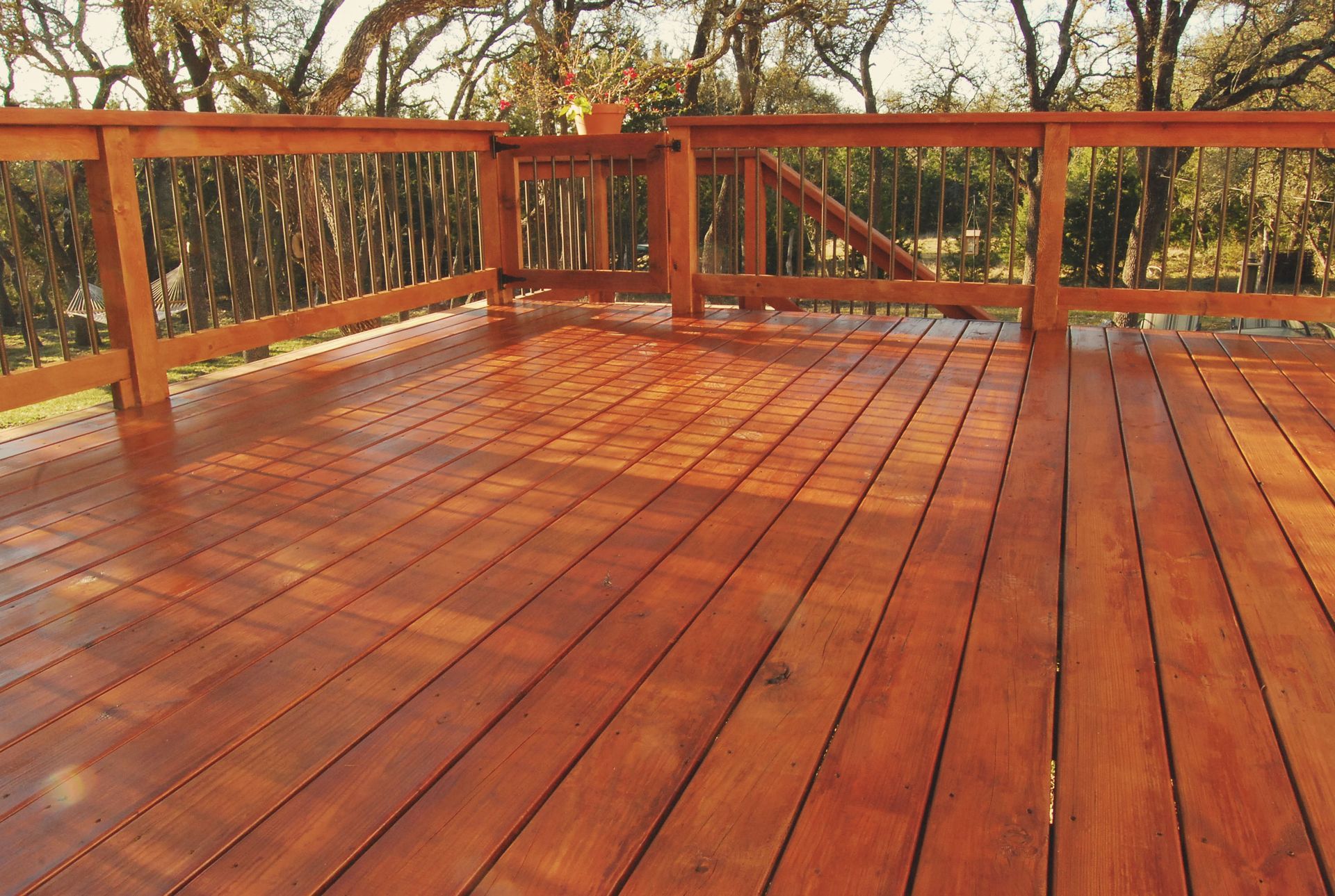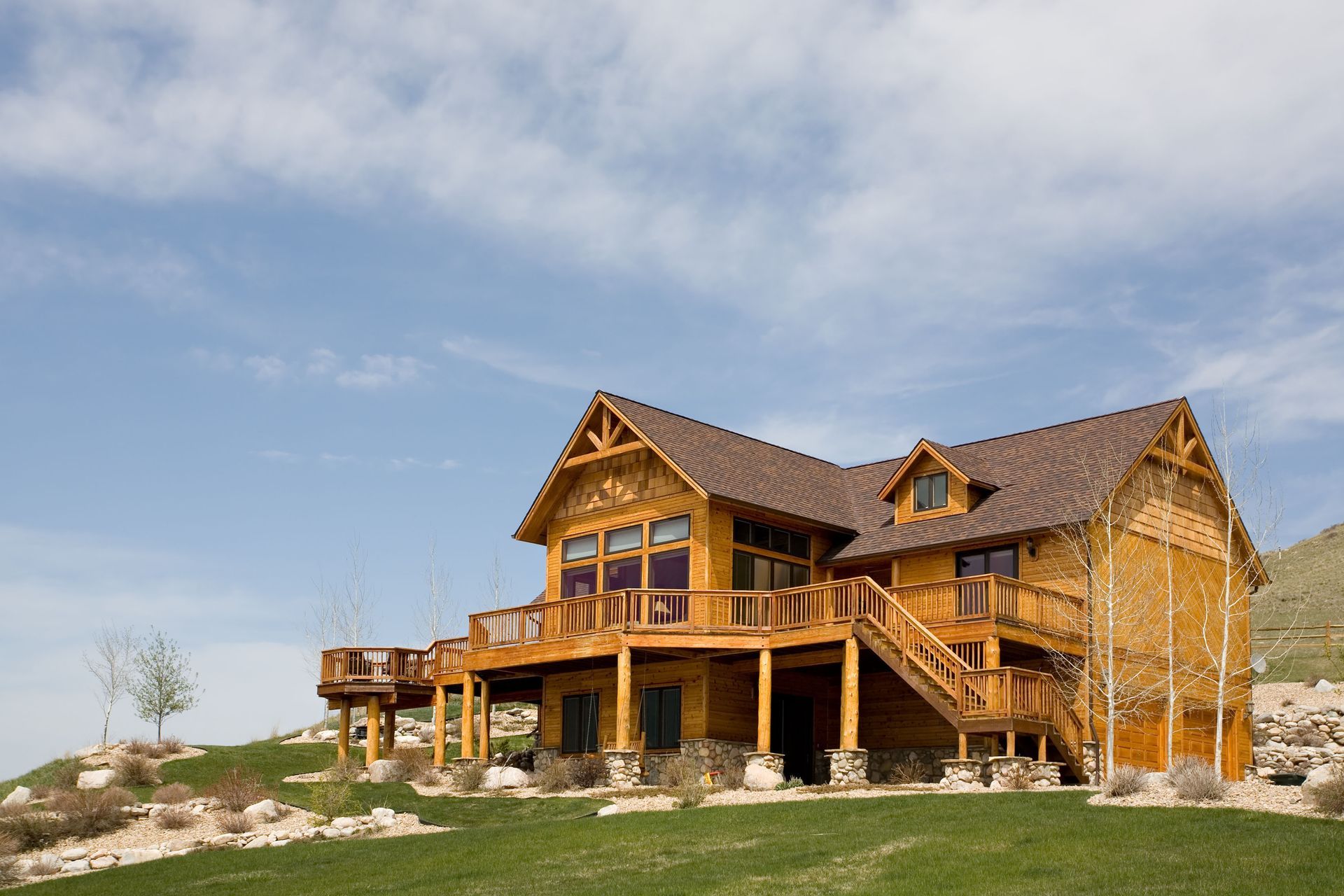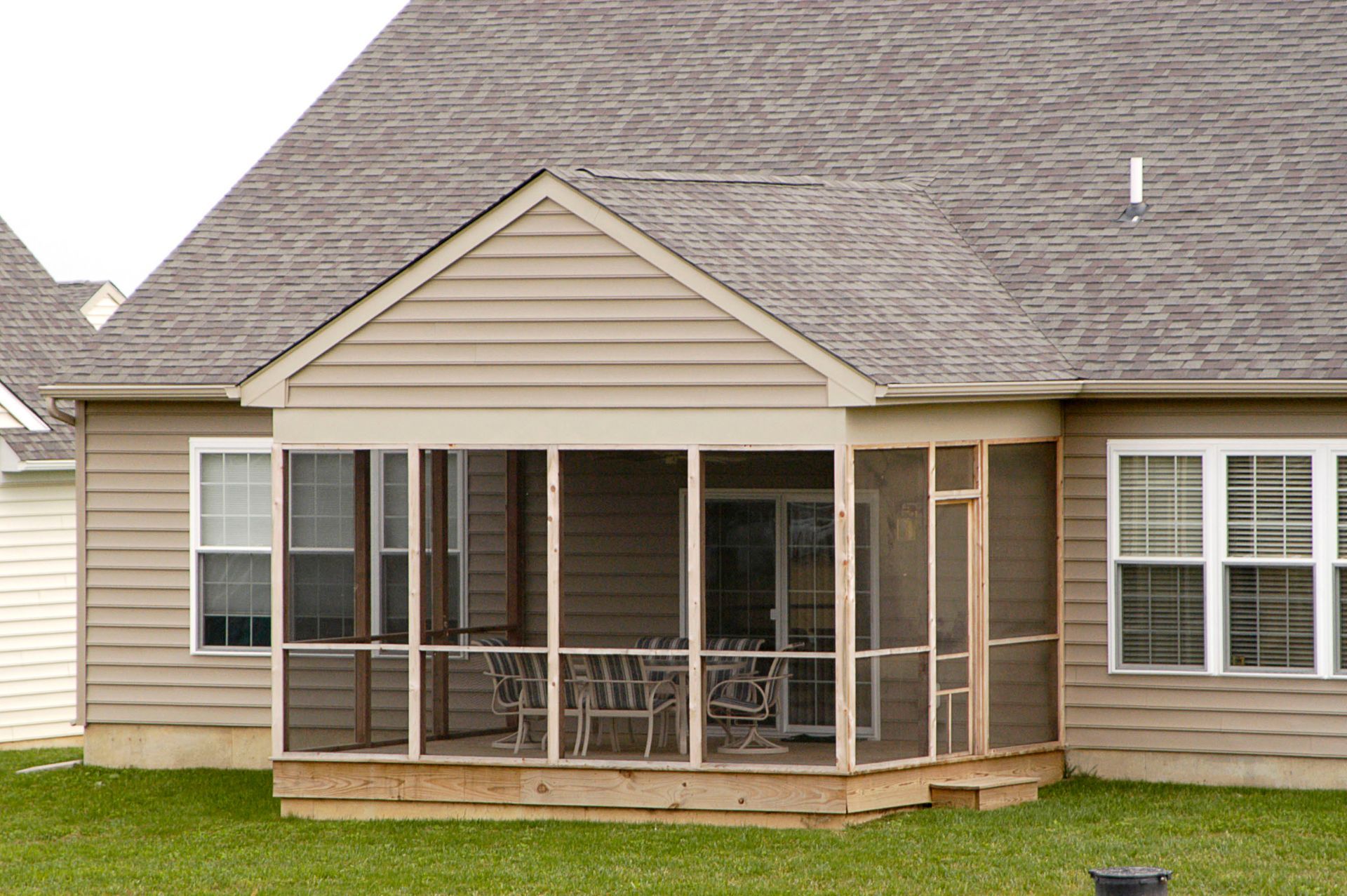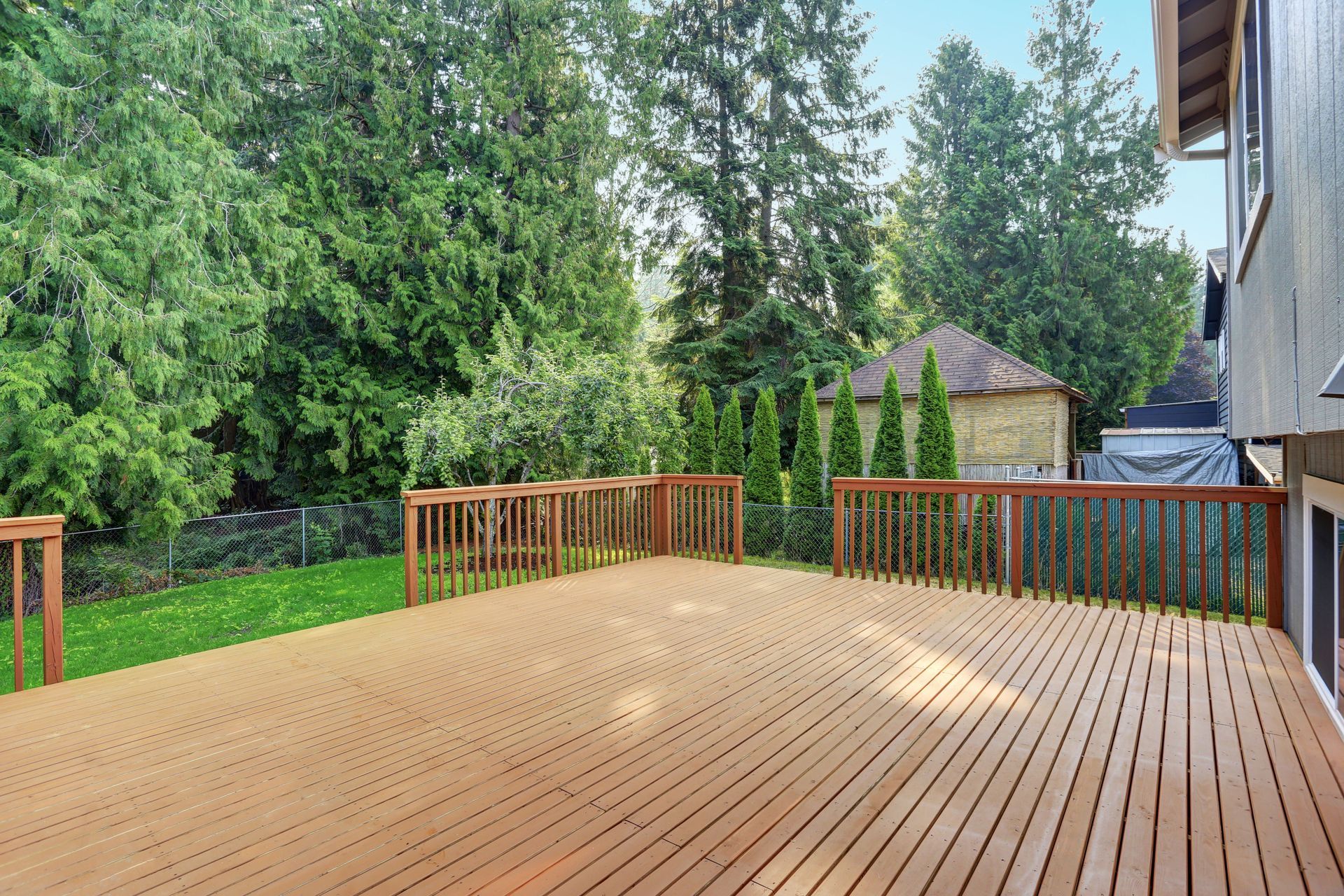
Why Aging Decks May Need Professional Repairs or Replacement

November 11, 2026

Decks provide a convenient place to relax, entertain guests, and enjoy the outdoors. However, years of exposure to weather and regular use can gradually affect their appearance, stability, and safety. Recognizing the warning signs of deterioration can help homeowners determine when professional repairs or more extensive deck renovations may be necessary.


Recognizing Signs of Deck Deterioration


Constant exposure to sunlight, rain, moisture, and changing temperatures gradually wears down decking materials. According to Fine Homebuilding, 40 million decks in the United States are more than 20 years old, highlighting the importance of regular inspections and timely improvements. Professional deck renovations can help address deterioration, restore functionality, and create safer outdoor spaces.


Understanding the warning signs of deck damage is the first step toward determining whether repairs or complete replacement are necessary. Paying attention to changes in appearance and stability can help homeowners recognize problems before they become more extensive.


Visible Surface Damage


Peeling paint, fading finishes, discoloration, and splintering are common signs of an aging deck. Although some cosmetic problems can be addressed through refinishing, they may also indicate moisture-related damage. Cracks and warped boards deserve particular attention because they allow water to penetrate the material and accelerate deterioration.


Structural Weaknesses


Loose railings, unstable boards, and weakened connections can indicate problems with a deck's structural components. These issues may develop as fasteners corrode, wood deteriorates, or supporting materials lose their strength. A deck that shifts or feels unstable underfoot should be evaluated promptly by a professional.


Moisture and Safety Hazards


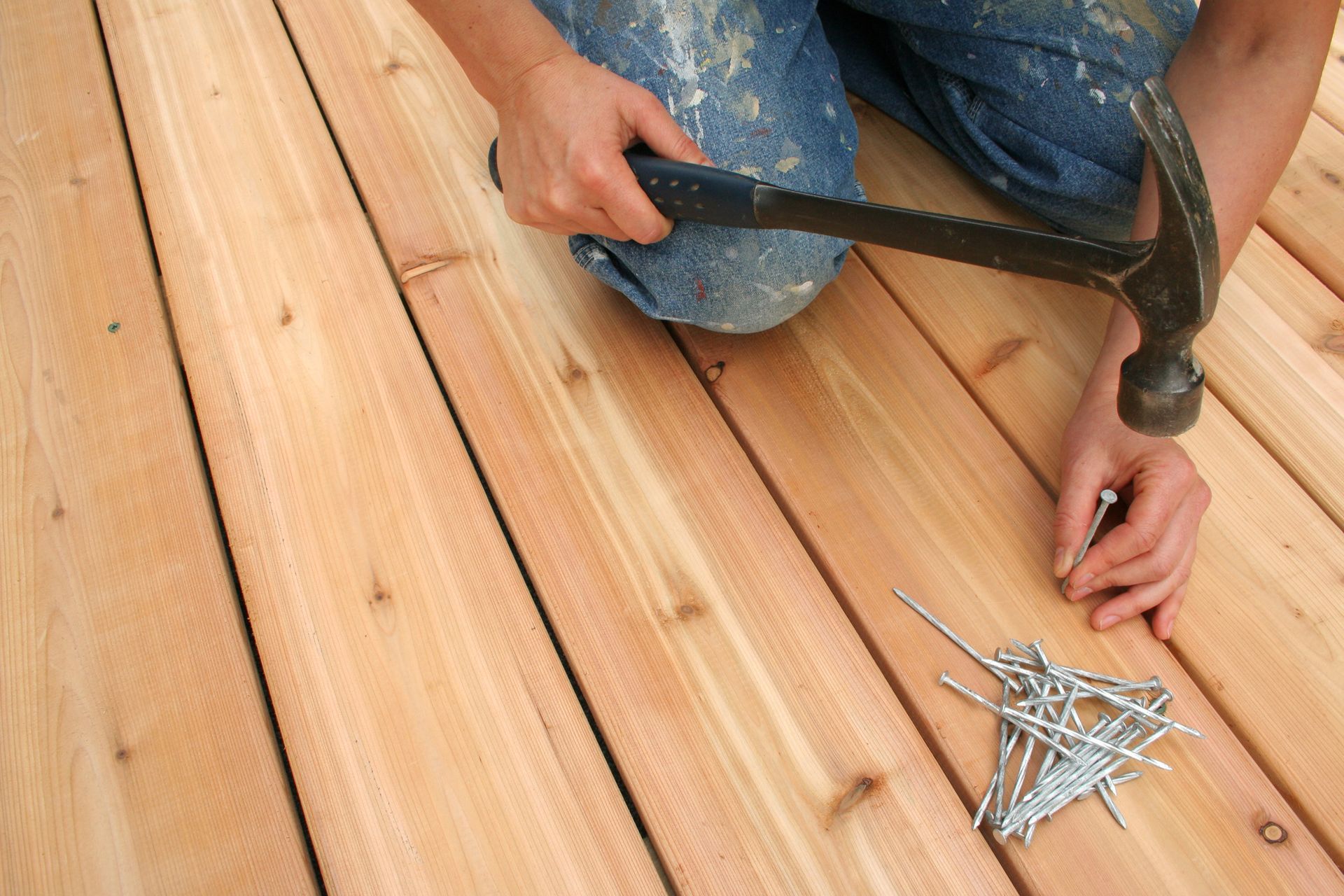
Persistent moisture can encourage wood rot, mold growth, and insect infestations. Termites and carpenter ants may also damage wooden components from the inside. Soft spots and crumbling wood can indicate underlying problems. Protruding nails, loose screws, broken steps, and splintered boards create additional hazards that should be addressed before someone gets hurt.


Understanding the Importance of Professional Inspections


Some of the most serious deck problems develop beneath the walking surface or within the supporting framework. Professional inspections provide a more complete understanding of the structure's condition and help homeowners determine which improvements are necessary. They can also help identify concerns that might otherwise go unnoticed during routine visual checks. Before beginning deck renovations, understanding the full extent of any damage helps homeowners plan appropriate improvements.


Comprehensive Structural Assessments


Experienced contractors examine support posts, joists, beams, ledger boards, footings, and hardware to identify potential weaknesses. These components work together to distribute weight and maintain stability. Damage to one area can affect the entire structure, making thorough assessments especially important for older decks.


Identification of Hidden Problems


Moisture damage, deteriorating connections, and insect activity can remain concealed beneath the surface. Professionals know where to look for these issues and can evaluate questionable areas before damage spreads. Early identification also helps homeowners understand which materials can remain in place and which need replacement.


Accurate Repair Recommendations


After an inspection, contractors can explain the deck's condition and recommend appropriate solutions. Some structures may only need replacement boards, stronger connections, or repaired railings. Others may have extensive framing damage that requires more substantial improvements. Clear recommendations help homeowners prioritize necessary work and determine whether deck renovations should involve repairs or a complete rebuild.


Evaluating the Benefits of Professional Deck Repairs


When the underlying framework remains structurally sound, targeted repairs may provide an effective alternative to complete replacement. Professional workmanship addresses existing problems while preserving usable portions of the original structure. This approach can make deck renovations more manageable when damage is limited to specific areas.


Improved Structural Reliability


Replacing damaged boards, reinforcing weakened connections, and repairing compromised support components can improve a deck's stability. Professionals understand how individual materials and structural elements interact, allowing them to address problems without overlooking related concerns.


Better Appearance and Functionality


Professional repairs can improve an aging deck's appearance by replacing damaged materials and restoring worn surfaces. Contractors can also address uneven walking areas, loose steps, and deteriorating railings. These improvements make outdoor spaces more comfortable and visually appealing without requiring an entirely new structure.


Long-Term Maintenance Benefits


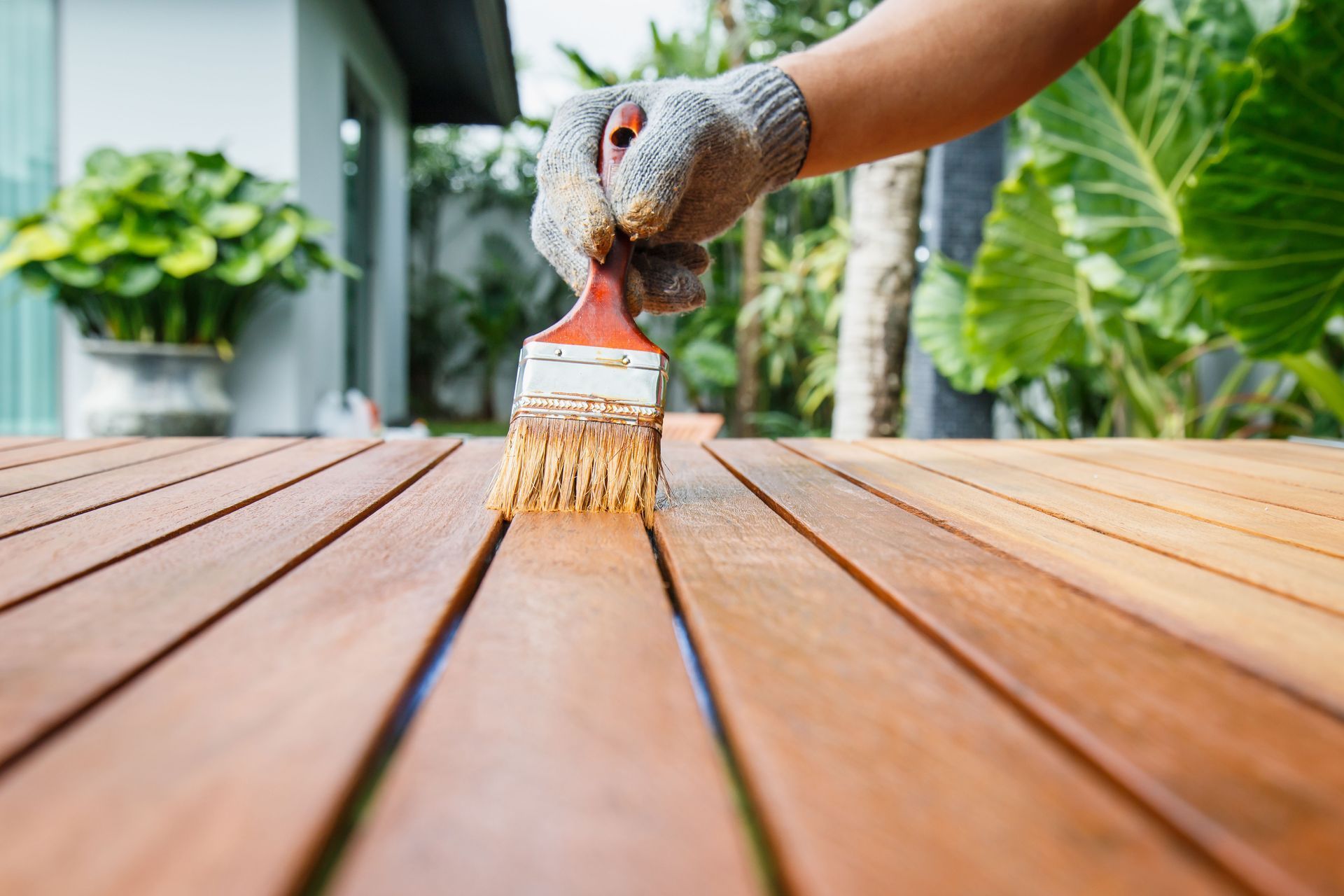
Addressing deterioration early can reduce the likelihood of more extensive repairs later. Contractors may recommend cleaning, sealing, protective finishes, and material replacements based on the deck's construction. Following a consistent maintenance schedule helps limit moisture exposure and everyday wear.


Determining When Deck Replacement Is Necessary


Although repairs can resolve many common problems, some aging decks have deteriorated beyond the point where individual improvements make practical sense. When widespread damage affects the framing, supports, and walking surface, replacement may provide a more dependable long-term solution. In these situations, deck renovations involving complete replacement can offer an opportunity to address multiple concerns at once.


Extensive Structural Deterioration


Widespread wood rot, weakened framing, damaged footings, and failing connections can compromise the entire structure. Replacing individual boards will not resolve problems involving multiple load-bearing components. A professional assessment can help determine whether rebuilding is more appropriate than continuing to repair an unreliable deck.


Outdated Construction Materials


Older decks may contain materials that have deteriorated through decades of weather exposure. Replacing an aging structure provides an opportunity to select modern materials designed for durability and easier maintenance. Homeowners can compare traditional wood and composite decking when planning an updated outdoor space.


Changing Household Needs


A deck that once suited a household may no longer provide the space or functionality homeowners want. Growing families and changing entertainment habits can create a need for a different layout. Replacement allows homeowners to reconsider the structure's dimensions, access points, stairs, and other features.


Improved Safety and Appearance


Replacing a severely deteriorated deck offers an opportunity to address safety concerns throughout the structure. New construction can incorporate appropriate railings, secure stairs, and reliable connections. Homeowners can also update the appearance with coordinated finishes, contemporary railing designs, and integrated lighting.


Planning the Cost and Scope of Deck Improvements


Deciding between repairs and replacement requires evaluating more than the immediate project price. Homeowners should consider the existing structure's condition, material costs, and future maintenance requirements. Having a clear understanding of these factors makes it easier to choose improvements that fit both the property's needs and the available budget. Establishing priorities early can also help keep deck renovations focused on the most important upgrades.


Comparing Repair and Replacement Expenses


Repairing a few damaged boards may cost considerably less than rebuilding an entire deck. However, repeated repairs can become expensive when multiple components continue to deteriorate. Homeowners should request detailed estimates explaining labor, materials, and project requirements. Comparing these expenses against replacement costs provides a clearer understanding of available options.


Considering Material Selection


Material choices influence both the initial investment and long-term maintenance requirements. Natural wood offers a traditional appearance but generally requires periodic cleaning, staining, and sealing. Composite decking provides another option for homeowners who prefer less frequent surface maintenance. Comparing durability, appearance, and care requirements helps determine which material best fits the property.


Accounting for Ongoing Maintenance


Even after significant improvements, decks require routine attention. Cleaning away debris, monitoring drainage, checking connections, and inspecting exposed surfaces can help identify developing problems. Understanding the maintenance requirements of different materials helps homeowners protect their investment over time.


Making an Informed Decision About Your Aging Deck


An aging deck does not automatically require complete replacement, but visible deterioration should never be ignored. Understanding the difference between cosmetic wear, localized damage, and serious structural problems helps homeowners determine the appropriate next steps. Professional inspections and carefully planned deck renovations can address safety concerns while improving the functionality of an outdoor living area.


Whether your property needs targeted repairs or more extensive deck renovations, working with an experienced contractor can make the process more manageable. Barefoot Decks LLC can help homeowners evaluate their outdoor spaces and explore options that align with their property's condition and needs. Contact the team to discuss your project and take the next step toward a safer, more attractive, and more functional deck.
November 10, 2026
A deck can transform your backyard into a comfortable space for entertaining, relaxing, and spending time with family. However, years of exposure to moisture, sunlight, and changing temperatures can affect its appearance and structural integrity. When problems develop, homeowners often face an important decision: renovate their existing deck or invest in a complete rebuild. At Barefoot Decks LLC, we understand that every outdoor living space has unique needs. As experienced deck building contractors, we help homeowners evaluate their decks and determine which improvements will provide lasting safety, functionality, and value. Evaluating Your Deck's Current Condition Before deciding whether to renovate or rebuild, it is important to understand the condition of your existing structure. A professional evaluation can identify problems that may not be immediately visible. Assessing Structural Stability A deck's support system determines whether renovation is practical. Posts, beams, joists, and connections must remain structurally sound to support everyday use. According to Fine Homebuilding, posts supporting decks 2 ft. or higher off the ground need to be braced laterally. Proper bracing helps resist sideways movement and contributes to structural stability. Our team evaluates these components to determine whether reinforcement, targeted repairs, or complete replacement is necessary. Identifying Wood Deterioration Prolonged moisture exposure can cause rot, weakening deck boards and structural supports. Visible discoloration, soft wood, excessive splintering, and deteriorating connections may indicate problems requiring professional attention. While isolated damage may be addressed through renovation, widespread deterioration can make rebuilding the safer investment. Examining Surface Damage Deck boards naturally experience wear from foot traffic, weather exposure, and everyday use. Cracking, warping, and fading can reduce comfort and visual appeal. If the underlying structure remains sound, replacing damaged boards or upgrading surface materials may improve the deck without complete reconstruction. Professional deck building contractors can distinguish cosmetic concerns from structural problems, helping homeowners avoid unnecessary replacements while addressing safety risks. Comparing Renovation and Rebuilding Costs Budget is often a deciding factor when choosing between renovation and rebuilding. However, the lowest initial expense does not always provide the greatest long-term value. Comparing Material Expenses Renovation generally requires fewer materials because portions of the existing structure remain intact. Homeowners may only need new decking boards, railings, stairs, or selected support components. A complete rebuild involves replacing the existing structure with new materials. Although this increases initial expenses, it allows homeowners to choose updated decking products. At Barefoot Decks LLC, we help customers explore material options that balance appearance, durability, maintenance requirements, and budget. Comparing Labor Requirements Labor expenses depend on project complexity, accessibility, and the amount of construction required. A renovation involving limited surface replacement may require less labor than a complete rebuild. However, hidden deterioration or extensive structural modifications can increase costs. Experienced deck building contractors evaluate these factors before recommending a project scope, helping establish realistic expectations regarding construction and scheduling. Comparing Long-Term Value Homeowners should consider more than immediate installation expenses. An older deck may require additional repairs even after cosmetic improvements. Rebuilding can provide a new structural foundation and materials designed for improved durability and reduced maintenance. When the existing framework remains dependable, renovation may extend the deck's useful life without complete replacement. Understanding Building Codes and Safety Requirements Deck construction involves important safety standards that influence both renovation and rebuilding decisions. Reviewing Permit Requirements Permit requirements vary according to local regulations and project scope. Structural alterations, significant expansions, and complete rebuilds may require approval from the appropriate building department. Even smaller renovation projects must follow applicable construction standards. Working with knowledgeable deck building contractors helps homeowners understand permitting considerations before construction begins. Reviewing Structural Requirements Deck safety depends on proper support, secure connections, suitable materials, and appropriate installation methods. Older decks may contain components that no longer satisfy current requirements. Our team considers whether existing structural elements can safely remain or should be replaced. Railings, stairs, footings, and attachment points also deserve attention because they affect everyday usability and safety. Reviewing Property Restrictions Property boundaries, setbacks, and homeowner association guidelines can influence deck construction. A complete rebuild may provide opportunities to modify the deck's footprint, but changes must comply with applicable restrictions. We encourage homeowners to address these considerations during planning so design decisions align with property requirements. Considering Design and Lifestyle Improvements A deck should complement your home while supporting the activities you enjoy. Renovation and rebuilding offer different opportunities for improving outdoor living spaces. Improving Existing Features Renovation can refresh an outdated deck without dramatically changing its original layout. New railings, upgraded decking materials, and improved stairs can enhance appearance and functionality. These improvements may appeal to homeowners who appreciate their deck's existing configuration. Our team helps identify upgrades that complement the structure while creating a more attractive outdoor environment. Expanding Outdoor Functionality Sometimes an existing deck no longer meets a household's needs. Homeowners may want additional seating, entertaining space, or a different arrangement for outdoor furniture. A complete rebuild provides flexibility for changing dimensions, improving access, or incorporating new design features. Professional deck building contractors can develop plans that account for intended use, available space, and structural requirements. Selecting Updated Materials Material selection influences a deck's appearance, maintenance needs, and long-term performance. Traditional wood offers a natural appearance, while composite decking provides an alternative that generally requires less routine refinishing. Each material has advantages and limitations, including differences in cost, heat retention, appearance, and maintenance. At Barefoot Decks LLC, we help homeowners choose materials suited to their preferences and outdoor environment. Considering Environmental and Maintenance Factors Renovation and rebuilding can both support responsible material use when projects are thoughtfully planned. Reducing Construction Waste Renovation may reduce waste by preserving structural components that remain safe and functional. Instead of replacing an entire deck, homeowners may update selected areas while retaining dependable materials. However, preserving deteriorated components simply to reduce waste can compromise safety. Structural suitability must remain the priority. Choosing Durable Materials Durable materials can help reduce future repairs and replacements. Depending on project requirements, options may include pressure-treated lumber, naturally resistant wood, or composite products containing recycled materials. Our deck building contractors help homeowners compare products based on expected performance, maintenance needs, and project goals. Planning Future Maintenance Every deck requires ongoing care. Wood surfaces may need periodic cleaning and refinishing, while composite materials have different maintenance requirements. Professional construction, appropriate drainage, and properly installed components contribute to long-term durability. Whether renovating or rebuilding, homeowners benefit from understanding how their selected materials should be maintained. Working With Professional Deck Builders Choosing the right construction partner is an important part of achieving dependable results. Receiving a Professional Assessment An experienced contractor can identify structural concerns, evaluate renovation possibilities, and explain when rebuilding may be more appropriate. This assessment helps homeowners understand their investment before committing to major improvements. At Barefoot Decks LLC, we prioritize clear communication and practical recommendations based on each project's requirements. Developing a Construction Plan Once the project scope is established, planning helps coordinate materials, design details, scheduling, and construction. Professional deck building contractors also consider how proposed improvements integrate with the home's architecture and surrounding outdoor space. A detailed plan helps minimize complications and keeps the finished project aligned with homeowner expectations. Choosing the Right Investment Deciding between renovation and rebuilding depends on structural condition, available budget, desired features, and long-term goals. Renovation may be appropriate when the existing framework remains safe and only selected components require improvements. Rebuilding may be preferable when extensive deterioration, outdated construction, or major design changes make preservation impractical. At Barefoot Decks LLC, we believe homeowners deserve outdoor spaces that combine dependable construction with thoughtful design. If your deck is showing signs of wear or no longer meets your needs, our deck building contractors can help you explore renovation and rebuilding options. Contact us to discuss your project and discover how we can help create an outdoor living space you will enjoy for years to come.
screen porches
October 30, 2026
Say goodbye to bugs and awkward slopes. Explore how multi-tier screen porches combine smart drainage, durable framing, and airy views for outdoor living.
deck builders
October 9, 2026
Do you have questions for deck builders? Read this blog to learn how to design a multi-level deck on uneven terrain with professional help.
deck services
October 8, 2026
Compare composite vs. pressure-treated wood to find the best long-term value for your home. Transform your outdoor space with expert deck services today.
deck renovations
September 5, 2026
Learn the structural warning signs that may indicate deck renovations are needed, from loose boards and railings to rot, sagging, and unstable supports.
screen porch
August 26, 2026
Connecting with nature is a cherished pastime, but pesky insects can spoil it. Here's why a screen porch is the perfect solution for enjoying nature bug-free.
deck companies
August 17, 2026
Learn some of the main factors deck companies consider when creating a project timeline, from the first evaluation through the final stages of construction.
deck inspection
July 29, 2026
A professional deck inspection helps identify hidden structural hazards, ledger board damage, and wood rot to ensure your outdoor space remains safe.
deck builders
July 28, 2026
In this article, we'll go over how local deck builders can fill the gap left by new construction builders. Reach out to our team today!
deck inspection
July 23, 2026
One of the top priorities of home maintenance is safety. Deck inspections allow for any issues to be checked over, so you and your loved ones can stay safe.