
Enhance Your Outdoor Living Space With a New Deck
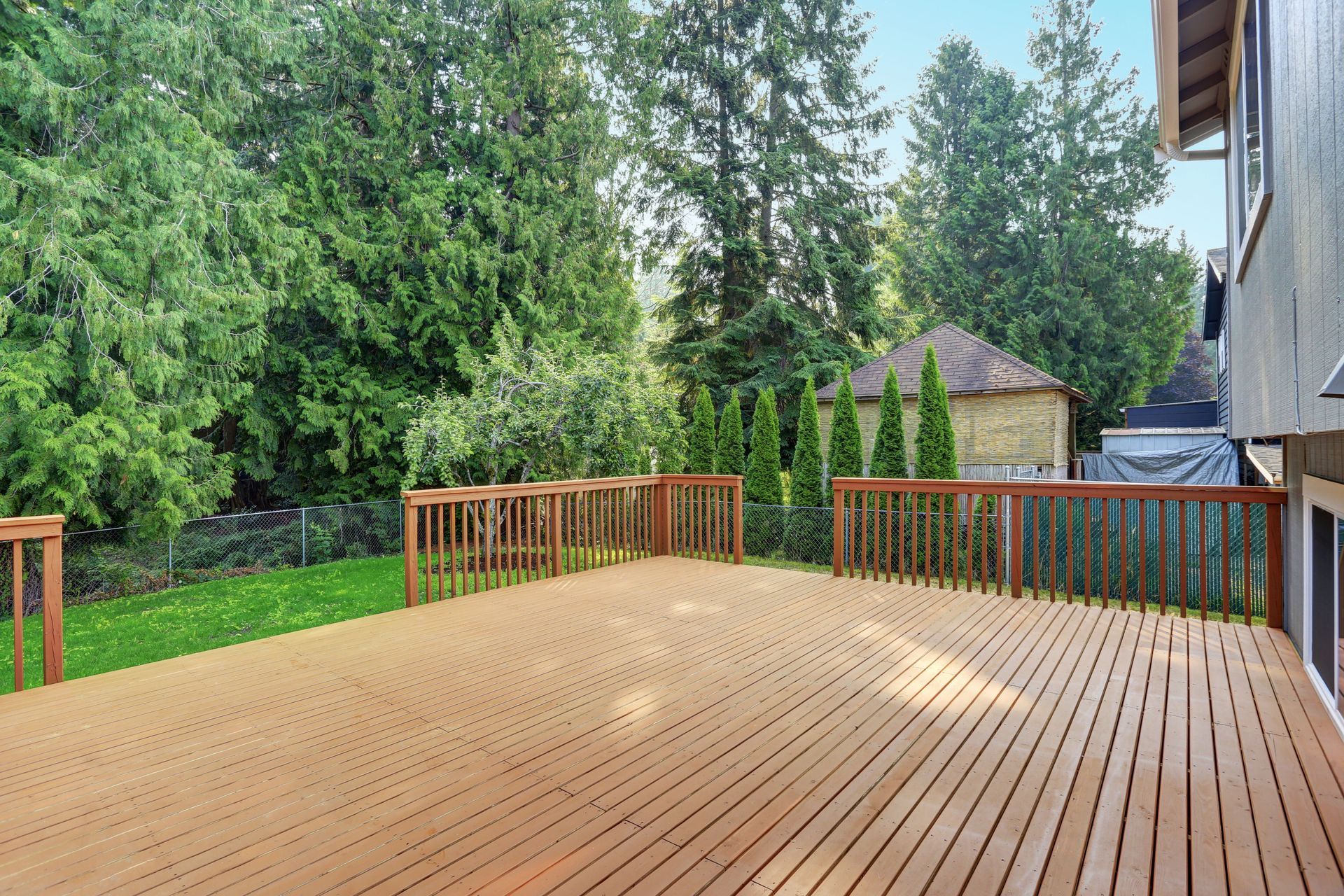
Establishing a visually pleasing and comfortable deck can significantly enhance the enjoyment of your home environment. A well-crafted deck serves as an extension of your living space, bridging the interior comforts with natural outdoor beauty. Whether you are planning to host lively gatherings or seek a serene escape, the right deck services can accommodate a variety of needs. This article explores various aspects of deck services, including planning, construction, and maintenance, to help you optimize your outdoor living area.
Planning and Designing Your Deck
Setting Clear Objectives
Clearly defining the purpose of your deck is the first step in planning. Consider whether the deck will primarily serve as a dining area, a sunbathing spot, or a secluded corner for reading and relaxing. By understanding its intended functions, you can tailor the deck services and design to fit your specific lifestyle needs. Involving family members in the discussion can provide diverse perspectives on what features are most desired. A clear objective will guide every decision, from layout and materials to custom features.
Exploring Different Design Styles
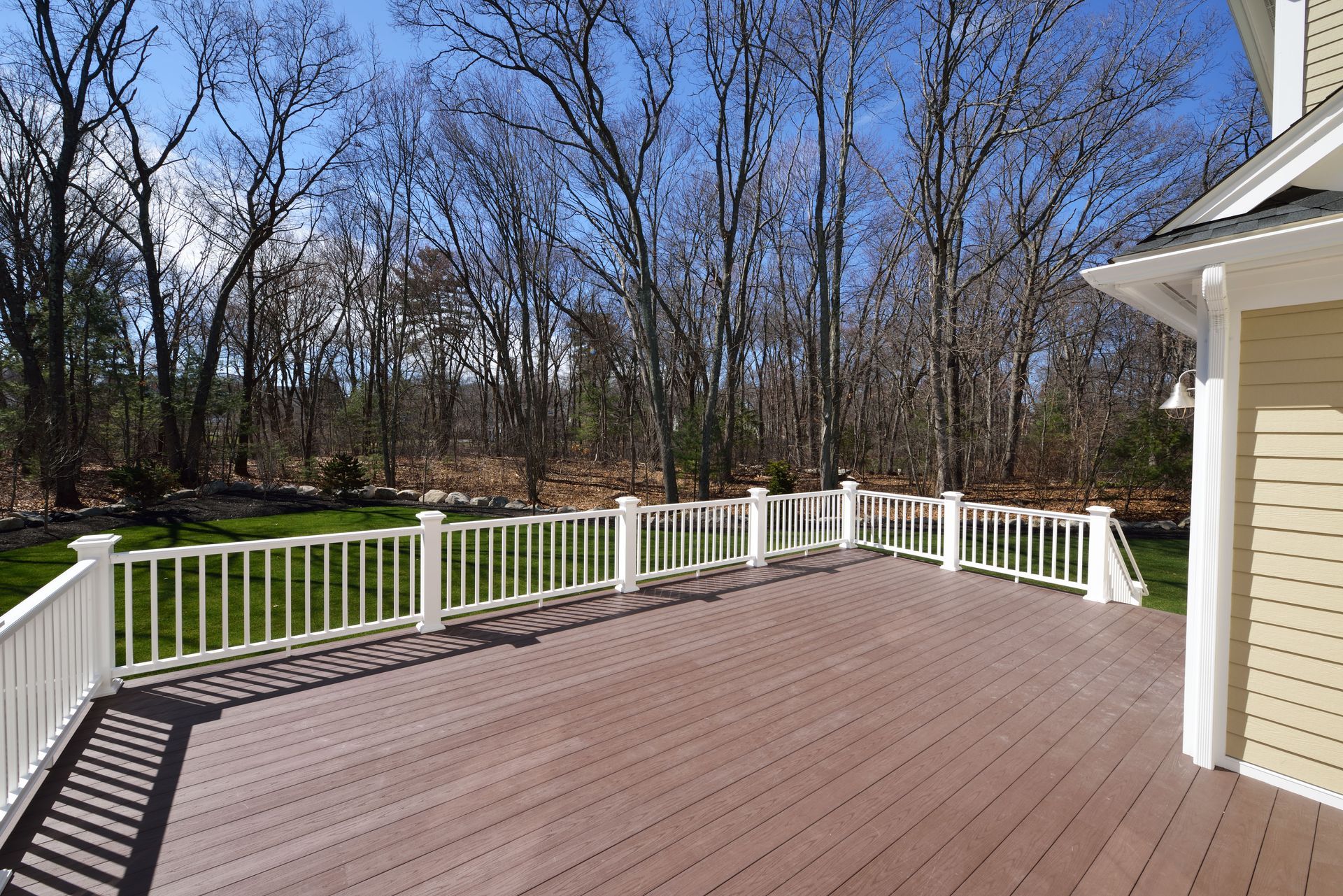
Deck design styles range from rustic to modern, with various nuances in between. Consider the architectural style of your home when choosing a deck to ensure a harmonious transition from house to outdoor space. While sleek lines and minimalistic features suit contemporary homes, more traditional structures may benefit from classic or colonial styles. Review different styles by consulting online galleries or design magazines to gather inspiration. Ultimately, the style you select should reflect personal taste while integrating seamlessly with existing aesthetics.
Budgeting for Your Project
Establishing a comprehensive budget for your deck services encompasses all anticipated costs involved in deck construction and maintenance. Consider expenses such as materials, permits, labor, and potential landscaping adjustments. Setting aside a contingency fund is advisable to cover unexpected costs that could arise during construction. Working closely with a contractor can provide realistic estimates and keep the project financially feasible. Adjusting your design based on budget limitations ensures the vision remains achievable without compromising quality.
Understanding Deck Construction Basics
Essential Tools and Equipment
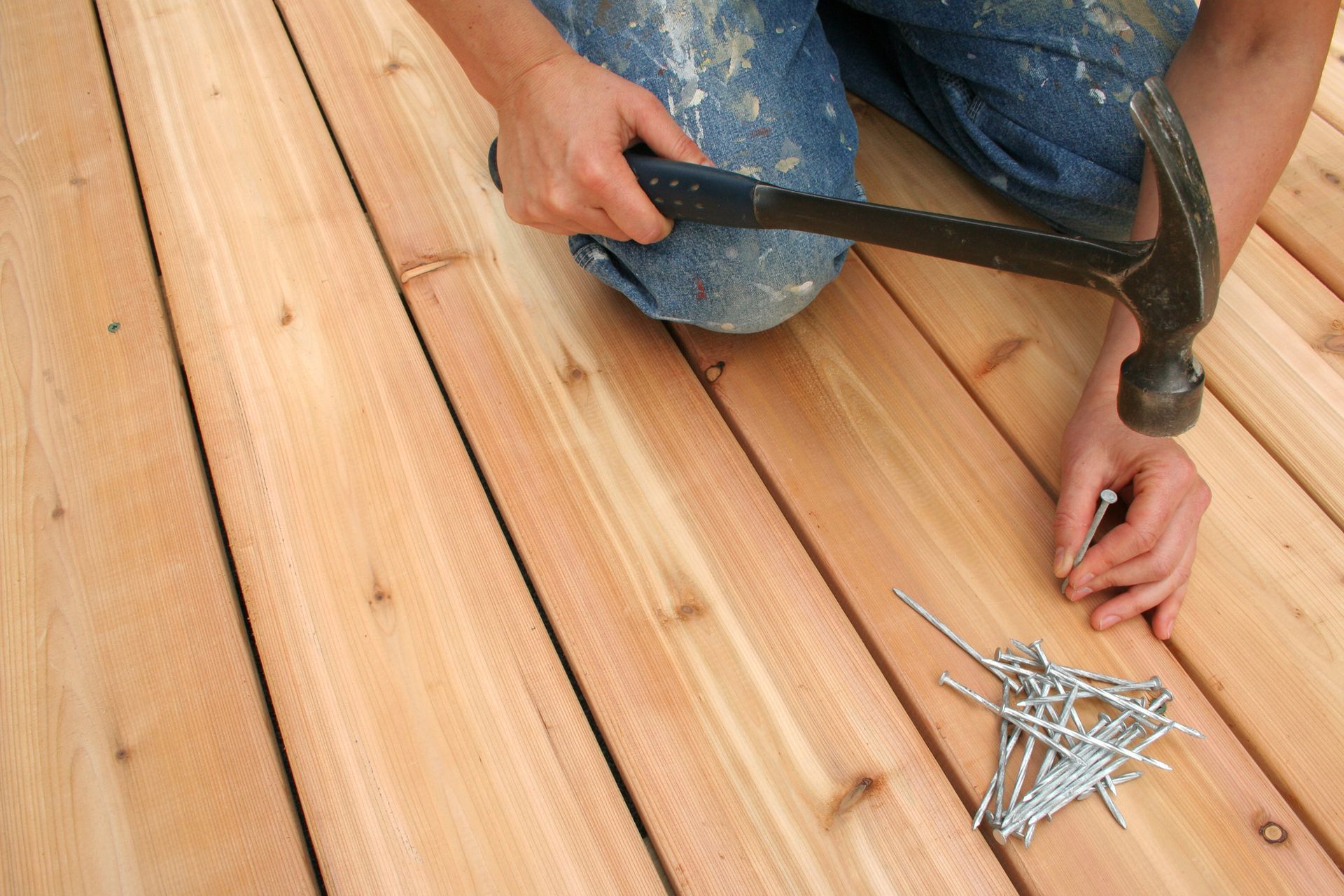
The tools needed for deck construction range from basic hand tools to specialized power equipment. Standard items include hammers, saws, drills, and measuring tapes, essential for precise cuts and assembly. Certain tasks, such as leveling and joining, may require unique tools like spirit levels or specialized fasteners. Thorough preparation by gathering all necessary equipment ensures a smooth construction process without interruptions. Renting or borrowing expensive tools can minimize costs, particularly for single-use items.
Step-by-Step Construction Process
Starting with a solid foundation is key to the integrity of any deck. This process begins with preparing the ground, laying footings, and constructing the framework before attaching decking boards and railings. Each stage requires meticulous attention to detail to ensure alignment and stability. Regularly checking measurements prevents costly mistakes and maintains the project timeline. Following a methodical approach guarantees the deck's strength, durability, and aesthetic appeal upon completion.
Safety Measures During Construction
Safety must be prioritized throughout the deck-building process to prevent accidents. Utilizing personal protective equipment like gloves, goggles, and helmets reduces the risk of injury. Clear communication with team members and adherence to safety protocols minimizes hazards on site. Regularly inspecting the working area and maintaining a tidy workspace prevents slips, trips, and falls. A commitment to safety guarantees a positive and injury-free construction experience for all involved.
Enhancing Aesthetics with Custom Features
Adding Built-in Seating and Storage
Integrating built-in seating and storage can significantly optimize space efficiency and functionality. Custom seating options, such as benches along railings, provide ample seating for guests without overcrowding the area. Incorporating storage beneath seating ensures that essentials like cushions and gardening supplies remain organized and accessible. These features contribute to a clean, uncluttered space while enhancing usability. Balancing aesthetics with practicality in design ensures that the deck remains inviting and user-friendly.
Integrating Lighting Solutions
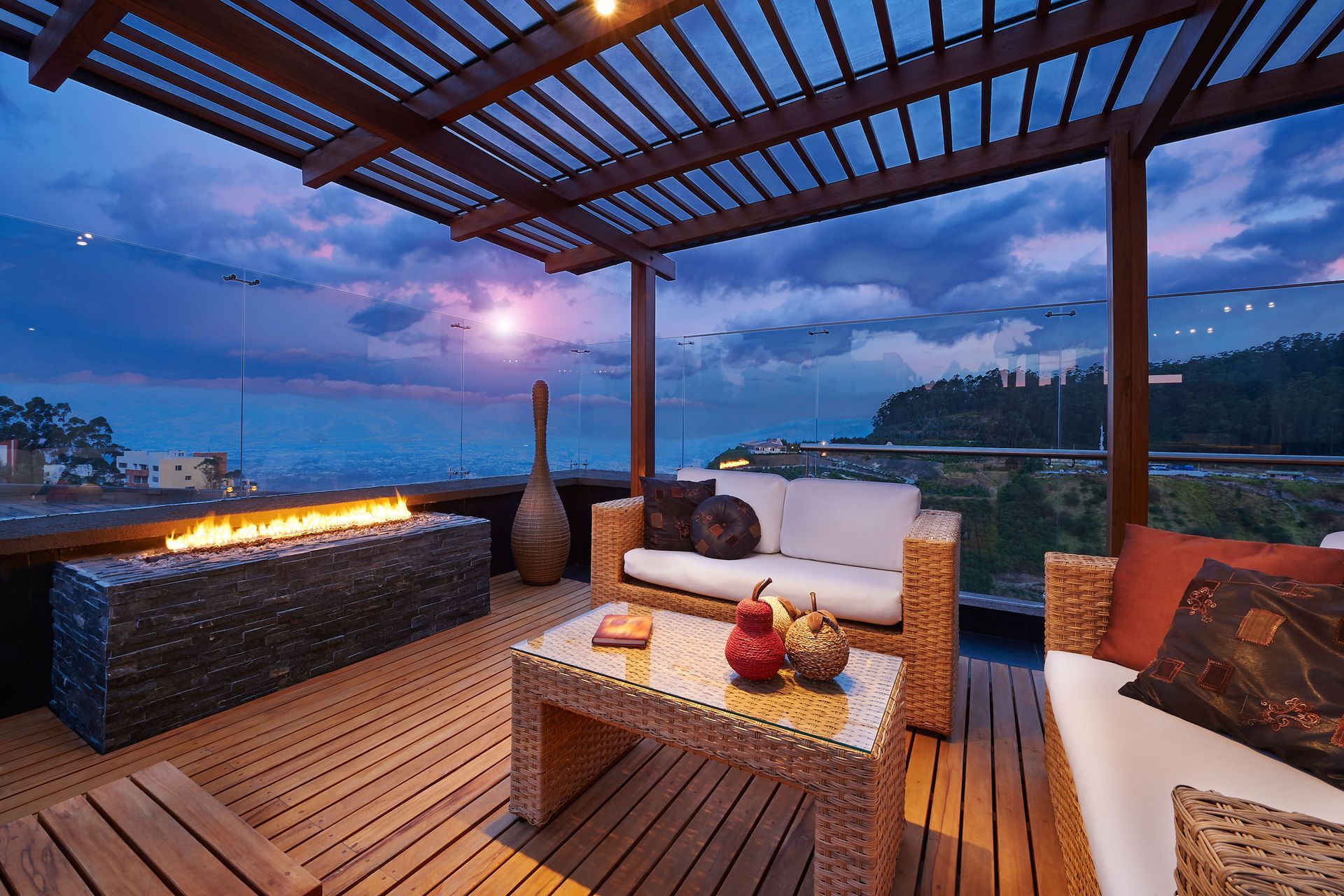
Strategically placed lighting can transform your deck from a daytime venue into a nighttime oasis. Options include string lights, recessed floor lighting, and solar-powered fixtures, each adding ambiance while increasing safety after dark. Effective lighting highlights architectural features and extends usage into evening hours. The right selection and placement of lighting fixtures enhance both functionality and aesthetic appeal. Considering energy-efficient solutions can also reduce environmental impact and ongoing costs.
Incorporating Greenery and Eco-Friendly Elements
Greenery and eco-friendly design elements can boost the tranquility and environmental sustainability of your deck space. Plant containers, vertical gardens, and hanging baskets provide natural beauty and privacy. Choosing native plants encourages local biodiversity and simplifies maintenance, as they thrive in the local climate. Eco-friendly choices, such as recycled materials, boost sustainability. These enhancements forge a deeper connection with nature, ultimately creating a serene outdoor sanctuary.
Implementing Regular Maintenance and Upkeep
Scheduling Cleaning Routines
Implementing regular cleaning routines ensures a pristine and inviting deck environment. Frequent sweeping and removal of debris prevent mildew and stains, while a seasonal deep clean tackles ingrained dirt and grime. Cleaning agents should be chosen carefully to avoid damaging materials, especially regarding wooden surfaces. Establishing a cleaning schedule helps maintain the deck's appearance and extends its lifespan. Continued attention keeps the space welcoming and free from potential health hazards.
Using Protective Treatments
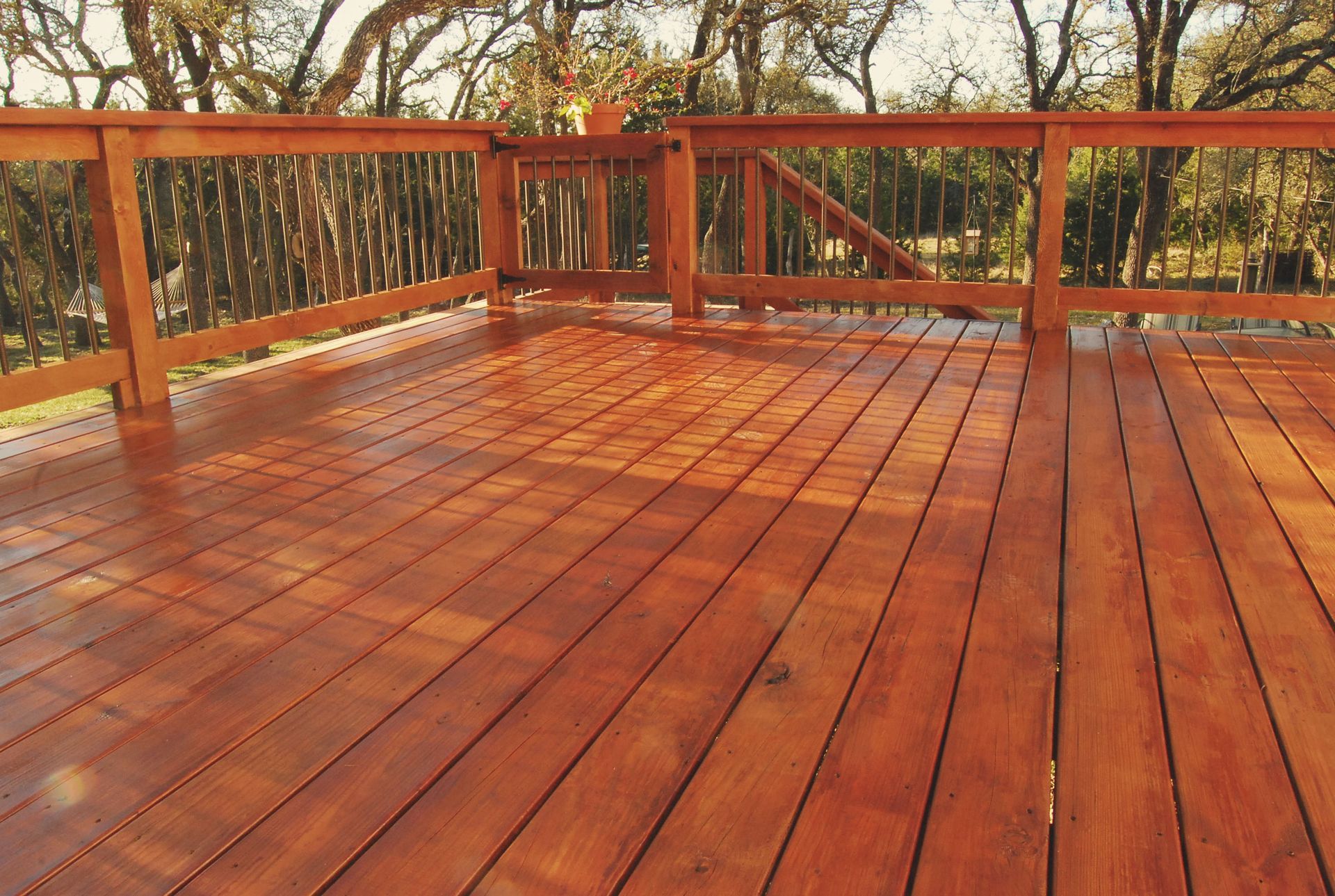
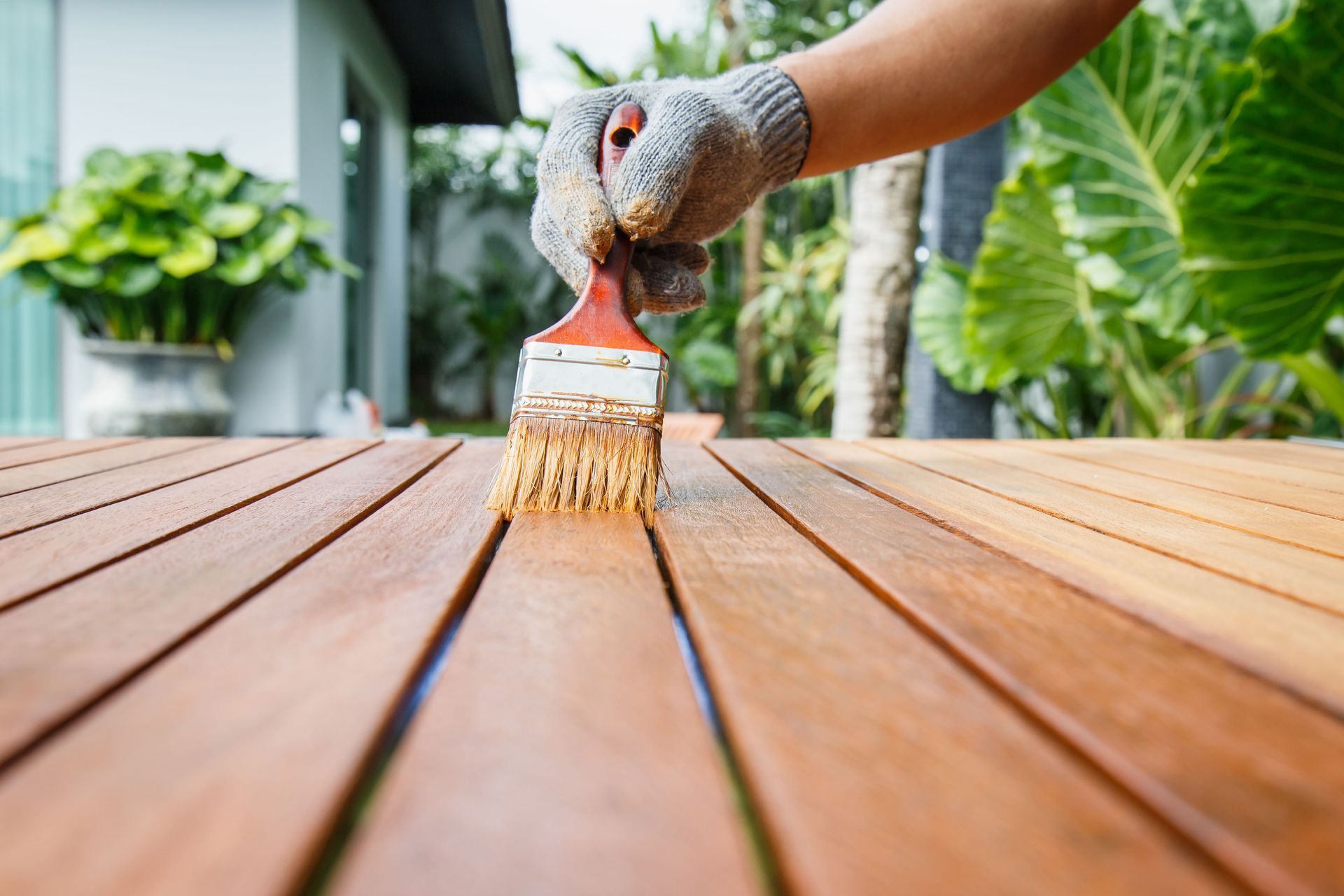
Protective treatments such as sealants and stains play a crucial role in preserving the integrity of your deck's materials. These applications guard against moisture, UV damage, and insect infestations, extending the life of wood decks remarkably. Reapplication every few years maintains the protective layer and revitalizes the deck's appearance. Choosing products suitable for your specific deck material maximizes effectiveness. Protective treatments are a wise investment in preventing costly repairs and maintaining aesthetic appeal.
Repairing Wear and Damage
Addressing wear and damage promptly prevents minor issues from escalating into major repairs. Regular inspections allow for quick identification of splintering wood, rusting fasteners, and loose boards. According to Fine Homebuilding, there are over 40 million decks across the U.S. that are over 20 years old, many requiring immediate repair or replacement to ensure safety. Proactive maintenance deck services reduce excessive wear and extends the functional life of the deck.
Considering Local Zoning Laws
Understanding Local Zoning Laws
Navigating local zoning laws is crucial in the deck planning and building process. Regulations can dictate permissible deck size, height, and placement on a property, varying by locality. Consulting with a knowledgeable contractor or local authorities ensures compliance and avoids costly redesigns. Awareness of zoning definitions, setbacks, and property lines informs feasible layout and construction choices. Prioritizing legal considerations from the outset prevents potential conflicts and delays.
Acquiring Necessary Permits
Securing necessary permits is an essential step before breaking ground on a decking project. Local regulations often require permits for structures exceeding a certain size or complexity. Completing permit applications with accurate information facilitates approval and avoids legal penalties. Working closely with trained professionals streamlines the permitting process and clarifies expectations. A proactive approach to permits secures project credibility and sets the stage for successful completion.
Considering Accessibility and Inclusivity in Design
Considering accessibility and inclusivity in deck design enhances usability for all individuals. Incorporating features such as ramps, wider doorways, and non-slip surfaces can aid those with mobility challenges. Adhering to ADA guidelines or other accessibility standards makes spaces welcoming and inclusive. Planning for varied abilities in use scenarios enriches the overall design and fosters community connection.
By carefully considering each aspect from design and construction to legalities and upkeep, homeowners can create personalized outdoor refuges. Are you ready to get started with dependable
deck services? Contact our team at Barefoot Decks LLC today to learn more!
Share On: